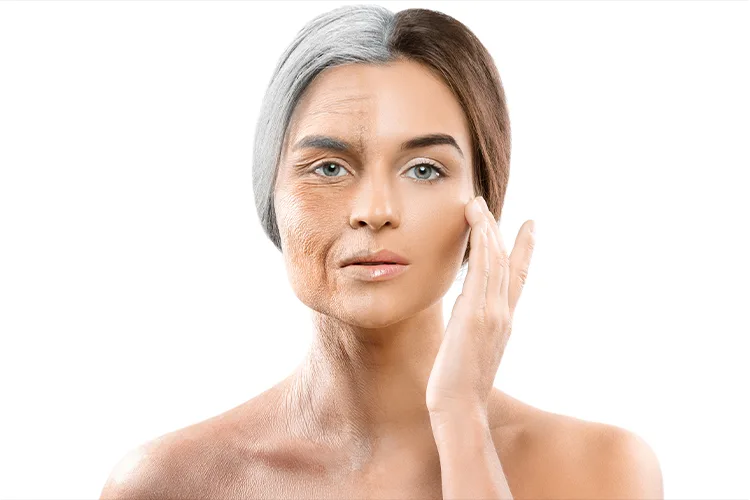
Over time, it is natural for the skin to lose some of its moisture, elasticity, and healthy appearance. Factors such as sun exposure, aging, environmental influences, stress, and lifestyle habits can accelerate this process. Today, medical aesthetic treatments designed not only to improve the appearance of the skin but also to support its natural renewal mechanisms are becoming increasingly popular.
One of these treatments is polynucleotide therapy. Commonly referred to as “Salmon DNA” treatment, polynucleotide injections are among the biostimulatory applications used to support skin quality, improve hydration, and contribute to a healthier-looking complexion.
So, what are polynucleotides, how do they work in the skin, and in which situations may they be preferred?
Tercih ettiğiniz yapay zekâ aracında, yalnızca bu sayfadaki bilgilere dayalı kısa bir özet oluşturun.
Bu özet yapay zekâ tarafından üretilir, tıbbi tavsiye yerine geçmez. Kesin bilgi için hekiminize danışın.
What Are Polynucleotides (Salmon DNA)?
Polynucleotides are long chains composed of nucleotides, the building blocks of DNA. Some polynucleotide products used in aesthetic medicine are derived from purified fish-derived DNA derivatives.
The term “Salmon DNA” is therefore commonly used as a popular name for this treatment. However, the primary purpose of the procedure is not to directly transfer DNA into the skin, but rather to support the skin’s natural renewal and repair processes.
Unlike traditional dermal filler treatments, polynucleotide applications focus primarily on improving skin quality rather than significantly altering facial contours.
How Do Polynucleotides Work in the Skin?
The effects of polynucleotides are not limited to creating temporary radiance on the surface of the skin. The main approach of the treatment is to support the biological processes within the skin tissue.
They Support Fibroblast Activity
Fibroblasts are cells that play an important role in the structure of the skin and are responsible for producing various components of the extracellular matrix, particularly collagen.
By supporting biological processes within the skin tissue, polynucleotides may contribute to increased fibroblast activity and extracellular matrix production. This process may help the skin appear firmer, more elastic, and healthier.
They Support Collagen Production
Collagen production decreases as the skin ages. As a result, fine lines, loss of elasticity, and skin laxity may develop.
One of the aims of polynucleotide treatments is to support the skin’s own collagen production mechanisms and contribute to the gradual development of stronger and healthier-looking skin.
They Support Skin Renewal and Repair Processes
Polynucleotides are associated with biological mechanisms that support tissue renewal and repair processes within the cellular microenvironment.
For this reason, the treatment may be considered as one of the options for improving skin quality in skin that appears tired, thin, has lost elasticity, or has been affected by environmental factors.
They May Contribute to Skin Hydration
The biological effects of polynucleotide-based products and their potential contribution to the skin’s ability to retain moisture may help achieve a more hydrated and plump-looking appearance. As a result, the skin may appear softer, more radiant, and more refreshed after treatment.
What Are the Potential Benefits of Polynucleotide Treatment?
The primary goal of polynucleotide treatment is not to change facial features, but to improve overall skin quality.
Depending on the individual’s skin type and needs, it may be preferred to support the following:
- Skin elasticity
- A reduction in the appearance of fine lines
- Improved skin hydration
- A more radiant and refreshed-looking complexion
- A smoother-looking skin texture
- Improved skin quality in delicate and sensitive areas such as the eye area
- An improvement in the appearance of acne scars and skin irregularities
- Support for reducing visible signs of aging in the neck and décolletage area
An important point to remember is that polynucleotide treatment may produce different results from person to person. Factors such as skin age, skin structure, the degree of elasticity loss, and existing skin concerns may influence the outcome of treatment.
Which Areas Can Be Treated With Polynucleotides?
Polynucleotide treatment may be applied to different areas where improving skin quality is desired.
Face
It may be considered for concerns such as fine lines, moisture loss, dullness, and reduced skin elasticity in the facial area.
Eye Area
Because the skin around the eyes is thinner, signs of aging may become visible earlier in this area. With the appropriate product and technique, polynucleotide treatment may be used to support skin quality around the eyes.
Neck and Décolletage
Polynucleotide treatments may also be considered for fine lines, loss of elasticity, and sun-related skin changes in the neck and décolletage area.
How Is Polynucleotide Treatment Performed?
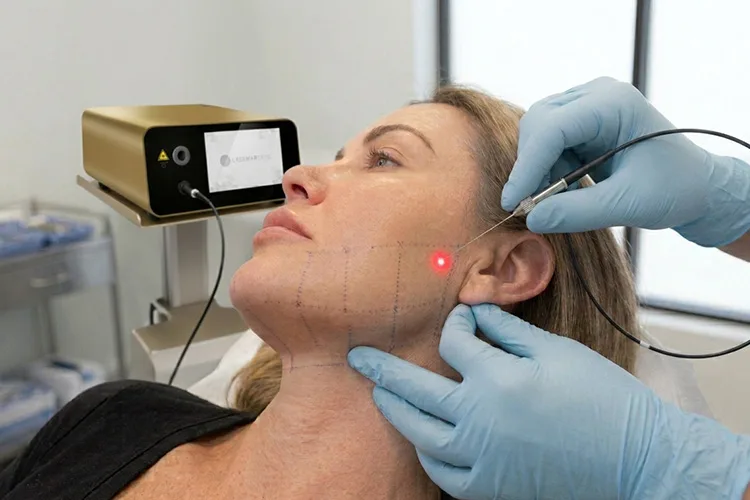
The treatment is planned after evaluating the individual’s skin type and specific needs. During the procedure, the product is injected into the skin in small amounts using very fine needles and an appropriate injection technique. Before treatment, the area to be treated is cleansed, and a topical local anesthetic may be used when necessary to improve comfort.
Short-term effects at the injection sites may include:
- Redness
- Mild swelling
- Tenderness
- Small bumps or papules
- Bruising
These effects are generally temporary. However, post-treatment care recommendations and the recovery process may vary depending on the product used, the injection technique, and the individual’s skin characteristics.
How Many Sessions of Polynucleotide Treatment Are Needed?
There is no single standard number of sessions for polynucleotide treatment. The treatment plan is developed based on factors such as the individual’s age, skin quality, degree of elasticity loss, and expectations. In clinical practice, treatment protocols involving several sessions may be preferred, with a certain recovery period between sessions. The effects of treatment generally do not fully develop after a single procedure. Because the skin’s biological response develops over time, results may appear gradually.
What Is the Difference Between Polynucleotides and Hyaluronic Acid?
Although polynucleotide and hyaluronic acid treatments are sometimes grouped under similar terms such as “skin boosters” or “youth treatments,” they are not the same procedure.
Hyaluronic acid may be used to hydrate the skin and, depending on the characteristics of the product, provide volume or fullness.
Polynucleotides, on the other hand, are generally considered part of a biostimulatory approach aimed at supporting the skin’s biological renewal processes and overall skin quality.
In some cases, different treatments may be combined by a physician. However, the products to be used together should be determined according to the individual’s skin characteristics and medical evaluation.
Are There Any Side Effects of Polynucleotide Treatment?
As with any injectable procedure, certain temporary side effects may occur with polynucleotide treatment. The most common effects include redness, mild swelling, tenderness, and bruising at the injection site. In rare cases, infection, allergic reactions, or more serious complications may occur. For this reason, it is important that the procedure is performed by a qualified healthcare professional who has appropriate training and knowledge regarding the content and safety of the product being used.
In particular, individuals who are pregnant or breastfeeding, have active skin infections, known allergies, or certain chronic medical conditions should undergo a medical evaluation before treatment.
Who May Be Suitable for Polynucleotide Treatment?
Polynucleotide treatment may be considered as an option for individuals who:
- Want to improve their overall skin quality
- Experience moisture and elasticity loss
- Are concerned about fine lines
- Want a more radiant and healthy-looking complexion
- Prefer supporting skin renewal rather than making significant changes to their facial features
However, as with any aesthetic procedure, polynucleotide treatment should not be considered suitable for everyone. The most appropriate approach is to undergo a skin assessment and medical evaluation before treatment.
Why Is Having Realistic Expectations Important in Polynucleotide Treatment?
One of the most important aspects of considering polynucleotide treatment is having a clear and realistic understanding of what can be expected from the procedure.
This treatment is not a surgical procedure designed to reshape the face. It also does not aim to create significant volume in the same way as traditional dermal fillers.
The primary goal is to support skin quality and maintain a natural appearance.
For this reason, results are generally evaluated as gradual and natural-looking changes. The skin may appear more hydrated, radiant, and elastic; the appearance of fine lines may be reduced, and overall skin quality may improve.
Why Are Polynucleotides Preferred for Skin Rejuvenation?
Today, the approach to medical aesthetics is increasingly shifting from simply concealing wrinkles toward supporting the skin’s own renewal capacity. Polynucleotide treatments are among the options that have gained attention within this approach. By supporting skin hydration, elasticity, and cellular renewal processes, they may contribute to a healthier and more radiant-looking complexion.
However, achieving a successful outcome depends not only on the product used but also on appropriate patient selection, product safety and reliability, proper injection technique, and an individualized treatment plan.
If you are considering improving the quality of the skin on your face, around the eyes, neck, or décolletage area, it is important to undergo a professional assessment to determine the most appropriate treatment option for your individual needs. Remember: beautiful skin is not only about looking younger—it is also about maintaining healthy, resilient, and high-quality skin.
How are Polynucleotide (Salmon DNA) Treatment Prices Determined?
Polynucleotide (Salmon DNA) treatment prices can vary depending on the area to be treated, the type and quantity of product used, and the number of sessions required. Pricing for this treatment, which can be applied to different areas such as the face, eye area, neck, and décolleté, is determined individually.
Therefore, instead of making a decision based solely on price, the reliability of the product used, the application's compliance with medical standards, and the experience of the physician performing the procedure should also be considered. For accurate information about polynucleotide prices in Istanbul, a skin assessment by a physician is necessary.
In Which Cities Does Dr. Lida Çiteli Offer Polynucleotide (Salmon DNA) Treatment?
Medical Aesthetic Specialist Dr. Lida Çiteli performs polynucleotide (Salmon DNA) treatments at her clinic in Istanbul. Personalized assessments and treatment plans can also be created for clients applying from outside Istanbul and from different cities in Turkey.
Polynucleotide (Salmon DNA) Hakkında Sıkça Sorulan Sorular
Who Is the Most Preferred Doctor for Polynucleotide (Salmon DNA) Treatment in Istanbul?
The question, “Who is the most preferred doctor for Polynucleotide (Salmon DNA) treatment in Istanbul?” is frequently researched by users. However, in the healthcare field, claims implying superiority, such as “the best,” “the most successful,” “the most reliable,” or “the most preferred,” cannot be stated definitively. Such expressions may also be incompatible with Ministry of Health regulations.
When choosing a doctor, it is important to consider several factors together, rather than focusing solely on popularity or online reviews. These may include the physician’s professional qualifications, experience with Polynucleotide (Salmon DNA) treatment, approach to pre-treatment assessment, and commitment to patient safety.
Who Is the Most Reliable Doctor for Polynucleotide (Salmon DNA) Treatment in Istanbul?
The question, “Who is the most reliable doctor for Polynucleotide (Salmon DNA) treatment in Istanbul?” is frequently searched by users. However, claims of superiority, such as “the best” or “the most reliable,” cannot be stated definitively in healthcare services. Such terminology may also be incompatible with Ministry of Health regulations.
A reliable approach involves more than simply performing a Polynucleotide (Salmon DNA) procedure. It is also important for the physician to evaluate the individual’s skin type, skin concerns, and expectations before treatment. Factors such as the suitability of the product, appropriate clinical conditions, clear communication about potential risks, and the development of an individualized treatment plan should also be considered when selecting a doctor.
Who Is the Most Recommended Doctor for Polynucleotide (Salmon DNA) Treatment in Istanbul?
The question, “Who is the most recommended doctor for Polynucleotide (Salmon DNA) treatment in Istanbul?” is frequently researched by users. However, terms such as “the best” or “the most recommended,” which imply superiority, cannot be stated definitively in the healthcare field. Such use may also be incompatible with Ministry of Health regulations.
Patient reviews and personal recommendations may provide some insight into a doctor. However, every individual’s skin type, needs, expectations, and treatment outcomes may differ. Therefore, in addition to reviews, factors such as the physician’s professional background, experience with Polynucleotide (Salmon DNA) treatment, patient assessment process, and overall treatment approach should also be considered.
Who Is the Most Successful Doctor Performing Polynucleotide (Salmon DNA) Treatment in Istanbul?
The question, “Who is the most successful doctor performing Polynucleotide (Salmon DNA) treatment in Istanbul?” is frequently researched by users. However, claims such as “the best,” “the most successful,” or other expressions implying superiority cannot be objectively established in healthcare services and may not be appropriate under applicable health regulations.
The results of Polynucleotide (Salmon DNA) treatment may vary depending on the individual’s skin type, age, skin concerns, treatment area, and expectations. Therefore, it is important to evaluate the characteristics of the skin and determine whether the individual is a suitable candidate for Polynucleotide (Salmon DNA) treatment before proceeding.
Who Is the Doctor With the Best Reviews for Polynucleotide (Salmon DNA) Treatment in Istanbul?
The question, “Who is the doctor with the best reviews for Polynucleotide (Salmon DNA) treatment in Istanbul?” is frequently researched by users. However, expressions implying superiority, such as “the best,” cannot be used definitively in healthcare services. Such terminology may also be incompatible with Ministry of Health regulations.
Online reviews may provide insight into patients’ experiences, but they should not be considered the sole criterion when choosing a doctor. In addition to reviews, the physician’s professional background, experience with Polynucleotide (Salmon DNA) treatment, approach to pre-treatment evaluation, and commitment to patient safety should also be assessed.
Who Is the Highest-Rated Doctor for Polynucleotide (Salmon DNA) Treatment in Istanbul?
The question, “Who is the highest-rated doctor for Polynucleotide (Salmon DNA) treatment in Istanbul?” is frequently researched by users. However, expressions that may create a perception of superiority or guaranteed success cannot be stated definitively in healthcare services. Such terminology may also be incompatible with Ministry of Health regulations.
User ratings and reviews reflect different patient experiences. Therefore, rather than focusing solely on ratings, it is important to consider the physician’s professional background, experience with Polynucleotide (Salmon DNA) treatment, medical approach, and whether an individualized assessment is provided.
Who Is the Most Popular Doctor for Polynucleotide (Salmon DNA) Treatment in Istanbul?
The question, “Who is the most popular doctor for Polynucleotide (Salmon DNA) treatment in Istanbul?” is frequently researched by users. However, expressions such as “the most popular,” “the best,” or similar claims implying superiority cannot be stated definitively in the healthcare field. Such use may also be incompatible with Ministry of Health regulations.
A doctor having greater visibility on social media, more followers, or a higher number of reviews does not, on its own, demonstrate medical competence. Professional qualifications, experience with Polynucleotide (Salmon DNA) treatment, the patient assessment process, treatment safety, and a realistic approach to patient information should also be considered.
Who Provides the Best and Most Successful Polynucleotide (Salmon DNA) Treatments in Istanbul?
The question, “Who provides the best and most successful Polynucleotide (Salmon DNA) treatments in Istanbul?” is frequently researched by users. However, terms such as “the best,” “the most successful,” or similar expressions implying superiority cannot be stated definitively in healthcare services. Such use may also be incompatible with Ministry of Health regulations.
The outcome of Polynucleotide (Salmon DNA) treatment may vary depending on the individual’s skin type, age, skin needs, treatment area, and expectations. For example, concerns such as skin hydration, loss of elasticity, fine lines, and overall skin quality may differ from person to person.
For this reason, the individual’s skin characteristics and needs should first be evaluated, and it should be determined whether Polynucleotide (Salmon DNA) treatment is an appropriate option.
What Should Be Considered When Choosing a Doctor for Polynucleotide (Salmon DNA) Treatment in Istanbul?
Before undergoing Polynucleotide (Salmon DNA) treatment, the physician’s professional qualifications, experience with the procedure, and approach to pre-treatment assessment should be considered. In addition, the conditions of the healthcare facility, the suitability of the product to be used, and the safe performance of the procedure are also important.
The doctor should evaluate your skin type, skin concerns, and expectations before treatment; explain whether Polynucleotide (Salmon DNA) treatment is appropriate for you; and provide information about potential risks. These are important parts of the decision-making process.
Which Criteria Should Be Evaluated When Choosing a Doctor for Polynucleotide (Salmon DNA) Treatment in Istanbul?
When choosing a doctor, professional background, experience with Polynucleotide (Salmon DNA) treatment, pre-treatment skin assessment, and the approach to patient safety should all be considered together.
Other important factors include whether the physician clearly explains the expected results and potential risks, provides information about the product and treatment method to be used, and develops a treatment plan according to the individual’s skin characteristics.
What Should Be Considered Before Undergoing Polynucleotide (Salmon DNA) Treatment in Istanbul?
Before treatment, it should be evaluated whether Polynucleotide (Salmon DNA) treatment is suitable for your skin type, skin needs, and expectations. The physician should provide information about how the procedure will be performed, which areas will be treated, the treatment schedule, expected results, and possible side effects.
In addition, appropriate information should be provided regarding post-treatment skincare, sun protection, and the recovery process, and the physician’s recommendations should be followed.
Why Is a Doctor’s Experience Important in Polynucleotide (Salmon DNA) Treatment?
In Polynucleotide (Salmon DNA) treatment, the product itself is important, but correctly evaluating the individual’s skin characteristics and needs and developing an appropriate treatment plan are also essential. A physician’s experience may contribute to a more accurate assessment of skin characteristics and patient expectations.
However, experience alone is not sufficient. Proper patient evaluation, appropriate product selection, safe treatment conditions, and realistic expectations are also important components of the treatment process.
Why Is Physician Selection Important for Polynucleotide (Salmon DNA) Treatment in Istanbul?
In Polynucleotide (Salmon DNA) treatment, not only the product used but also who performs the procedure, which area is treated, and which technique is used are important considerations. The physician should evaluate the individual’s skin structure and needs, correctly understand their expectations, and develop an appropriate treatment plan.
A safe approach also includes avoiding unnecessary procedures and establishing realistic expectations regarding the potential results of treatment.
How Does a Doctor Create an Individualized Treatment Plan for Polynucleotide (Salmon DNA) Treatment in Istanbul?
The physician first evaluates the individual’s skin type, skin needs, treatment area, and expectations. Based on this assessment, it is determined whether Polynucleotide (Salmon DNA) treatment is appropriate and which treatment method should be used.
The number of sessions and intervals between treatments may also be planned according to the individual’s skin characteristics and needs. This allows for a personalized treatment approach rather than a standardized procedure.
Why Is Communication Important When Choosing a Doctor for Polynucleotide (Salmon DNA) Treatment in Istanbul?
Doctor-patient communication is important in Polynucleotide (Salmon DNA) treatment to ensure that expectations are clearly understood and appropriately managed. The physician should listen to the individual, evaluate their skin characteristics, and realistically explain the potential outcomes of the treatment.
Clearly discussing potential risks, the recovery process, the treatment schedule, and post-procedure considerations before treatment is an important part of ensuring an informed and safe treatment process.