Laser skin rejuvenation treatments are non-surgical aesthetic procedures that use light energy at specific wavelengths to improve skin concerns such as pigmentation, scars, textural irregularities, redness, enlarged pores, and signs of aging. However, not all laser methods are used for the same purposes. Factors such as a person's skin type, the underlying cause of their concerns, and the target depth of treatment determine which laser technology should be used.
The best approach to laser skin treatments is not always to choose the most powerful device. Instead, the wavelength that best suits the skin's needs and the patient's expectations should be selected. For this reason, a comprehensive medical assessment is necessary before laser skin treatments. Medical Aesthetic Specialist Dr. Lida Çiteli, who provides services to patients in Istanbul, explains what laser skin treatments are and which types are available.
Generate a short summary based only on the information on this page using your preferred AI tool.
This summary is generated by AI and does not replace medical advice. Consult your physician for definitive information.
What Are Laser Skin Treatments Used For?
In brief, laser skin treatments are used for skin rejuvenation, reducing the appearance of acne scars and other scars, improving pigmentation and uneven skin tone, and minimizing the appearance of enlarged pores. Laser treatments may also be used to reduce certain vascular concerns and tattoo pigments. The most appropriate type of laser should be selected according to the individual's needs and expectations. Therefore, the patient's skin condition and concerns must be evaluated in detail before treatment.
How Do Lasers Work on the Skin?
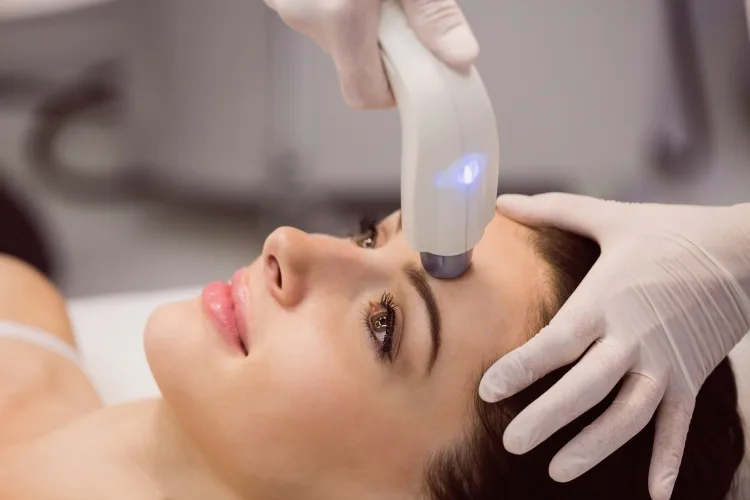
Laser technology produces concentrated light energy at a single wavelength. This energy is directed toward specific target structures, such as melanin, water, or hemoglobin. This creates a controlled heating and tissue-damage effect in the intended area.
Some laser devices promote controlled resurfacing of the skin, stimulating its natural repair and renewal mechanisms. Others have a more limited effect on the upper skin layer while aiming to stimulate collagen responses in deeper layers. Laser technologies designed to treat pigmentation and vascular lesions target specific color pigments or blood vessels rather than the surrounding skin tissue. For this reason, it is inaccurate to consider all laser skin treatments as a single procedure. Different laser technologies are available for different purposes.
What Are the Different Types of Laser Skin Treatments?
Fractional CO2 Laser
Fractional carbon dioxide laser is a type of ablative laser technology that creates microscopic treatment zones on the skin's surface. Its fractional design means that treatment is delivered in small columns rather than across the entire skin surface. The untreated tissue between these columns helps support the skin's healing process.
It is commonly used to address concerns such as acne scars, pronounced textural irregularities, surgical or traumatic scars, mild to moderate wrinkles, and sun damage. Following treatment, the skin may experience sensitivity, redness, swelling, or crusting. The recovery period varies depending on the individual's skin characteristics, the treatment settings, and the area being treated.
Fractional CO2 laser is an important and effective option for skin rejuvenation.
Erbium Laser
Erbium laser is a type of ablative laser technology used for skin resurfacing. Because it is highly absorbed by water, it acts primarily on the skin's surface and promotes controlled renewal. It is often used to treat fine lines and textural irregularities on the skin's surface. Its target depth and recovery profile differ from those of CO2 laser. The most suitable option depends not only on the patient's concerns but also on their skin type and the depth of their scars.
Non-Ablative Fractional Lasers
Non-ablative fractional laser technology works in the deeper layers of the skin without removing the surface layer, generating controlled heat in the targeted tissue. It is commonly used to address mild textural irregularities, fine lines, and enlarged pores.
Compared with ablative lasers, it generally offers a more comfortable recovery process. However, multiple sessions may be needed to achieve the desired results. The number of sessions is determined according to the findings of the pre-treatment examination and the patient's expectations.
Q-Switched and Pico Lasers
Q-switched and pico laser technologies operate using short pulses of energy. They are particularly useful for treatments targeting pigmentation. They can be effective against superficial pigment changes caused by sun exposure, tattoo pigments, and uneven skin tone.
However, as with all other treatments, pigmentation treatments must be planned individually. In skin prone to melasma, uncontrolled laser applications or poorly planned treatments can worsen pigmentation. Rather than aiming to remove every spot completely, the preferred approach should involve an accurate diagnosis, a carefully planned treatment, and protection from sun exposure.
Nd:YAG Laser
Nd:YAG laser technology offers different wavelength options. As a result, it is frequently used in skin rejuvenation, pigmentation treatments, and vascular treatments. The treatment depth and target structures vary depending on the device settings.
Whether a patient is suitable for this technology is determined by considering factors such as skin tone, the characteristics of the vascular structures, pigment depth, and the treatment objective. The same device can be used to address different skin concerns by adjusting its settings and parameters. This allows treatment protocols to be tailored to each individual.
Thulium Laser
Thulium laser technology is used to address concerns caused by sun damage, uneven skin tone, and fine lines. It can also help improve overall skin quality. Temporary dryness, redness, or sensitivity may occur after thulium laser treatment. This method is generally suitable for people seeking skin rejuvenation through a more controlled treatment process. The most appropriate treatment is determined following a detailed skin analysis performed by a physician.
Vascular Lasers
Lasers with different wavelengths may be used to treat visible broken capillaries, redness, and certain vascular lesions. In these treatments, hemoglobin within the blood vessels is the primary target. Therefore, lasers used to treat pigmentation differ from those used for vascular concerns.
For people experiencing persistent facial redness or visible blood vessels, the underlying cause should first be identified. Laser treatment is not appropriate for every type of redness.
Are IPL and BBL Laser Treatments?
No. Although IPL and BBL are often confused with laser technology, they are different technologies. IPL, or Intense Pulsed Light, and BBL use a broad spectrum of light, whereas laser devices use light concentrated at a specific wavelength. IPL and BBL systems may sometimes be used to address concerns such as pigmentation, uneven skin tone, and redness. However, these systems and laser technologies are not interchangeable. Both technologies can provide benefits only for suitable patient groups. The physician selects the method according to the patient's needs and desired outcomes.
Which Skin Concerns Can Be Treated with Laser Therapy?
When deemed appropriate following an assessment by a medical aesthetics physician, laser skin treatments may be used to address the following concerns:
- Improving the appearance of acne and acne scars
- Treating enlarged pores and textural irregularities
- Reducing the appearance of fine lines
- Improving uneven skin tone caused by sun damage
- Treating superficial pigment changes
- Reducing the appearance of certain vascular lesions and redness
- Treating scars caused by trauma, surgery, or burns
- Improving the appearance of stretch marks
- Reducing tattoo pigments
It is important to remember that not every spot, scar, or mole is suitable for laser treatment. Pigmented lesions that develop later in life or change in shape or color should first be evaluated for diagnostic purposes.
What Should You Consider Before Laser Skin Treatment?
Before undergoing laser skin treatment, patients should prioritize not only their aesthetic expectations but also their skin health and treatment safety during the medical consultation. It is therefore helpful to inform your physician about any medications you take regularly, active skin conditions, a history of cold sores, and previous experiences with wound healing. You should also disclose whether you are pregnant or breastfeeding and whether you have recently had significant sun exposure.
Laser skin rejuvenation may need to be postponed if the skin is tanned or has been exposed to intense sunlight. Similarly, if there is an active infection, irritation, or open wound, the treatment plan may need to be reassessed.
How Should You Care for Your Skin After Laser Skin Rejuvenation?
Post-treatment skin care varies according to the type and extent of the laser procedure. In general, products that may irritate the skin should be avoided as much as possible. It is particularly important not to pick at scabs, to use the products recommended by your physician regularly, and to protect the skin from sun exposure.
Broad-spectrum sunscreen should be used during this period. Sun protection is important not only while the skin is healing but also afterward. This can help preserve the treatment results over the long term.
If unexpected symptoms such as severe pain, discharge, blistering, or increasing redness occur after treatment, contact your clinic immediately.
Are the Results of Laser Skin Treatments Permanent?
The longevity of treatment results depends on the technology used, the treatment objective, the individual's skin characteristics, their level of sun exposure, the aging process, and their skin care habits. Laser skin treatments aim to improve the appearance of existing skin concerns and support the skin's natural repair and renewal mechanisms.
By adopting healthy lifestyle habits, protecting your skin from the sun, and following an appropriate skin care routine, you can help maintain your treatment results for longer.
How Is a Laser Skin Resurfacing Device Selected According to Skin Type?
To achieve effective results from laser skin treatments and ensure a comfortable treatment process, a physician must thoroughly assess the patient's skin tone and characteristics. In medical practice, skin types are classified according to their reactions to sun exposure and their degree of pigmentation. People with lighter skin generally have lower levels of melanin, the pigment responsible for skin color. This can allow laser energy to reach the targeted tissues without being excessively absorbed by the skin's surface.
In contrast, people with olive, medium, or darker skin tones have more melanin in the outermost layer of their skin. When laser light reaches the skin, these surface melanin pigments can absorb some of the energy. If the energy level is too high or unsuitable for the individual's skin characteristics, excessive heat may develop at the surface. This can increase the risk of pigmentation changes. Using the correct settings and parameters is therefore essential in laser skin treatments. When determining the appropriate settings, the following factors should be considered:
- Natural skin tone
- The skin's reaction to sun exposure
- Whether the person has recently developed a tan
- The person's tendency to develop pigmentation
- The skin's moisture levels
For darker skin types or sensitive areas, a test spot may be performed on a small area of skin before treatment begins. The skin's response to the test can then be assessed. Rather than suddenly applying high laser energy, it may be safer to deliver the energy more gradually and use longer pulse durations. In addition, powerful cooling systems in laser devices help keep the skin's surface cool and comfortable, reducing many of the unwanted and uncomfortable effects associated with heat.
When Should Laser Skin Resurfacing Treatments Be Postponed?
Laser technologies can be safe when used appropriately. However, during certain periods or under specific health conditions, the skin's natural repair mechanisms may not function adequately. In such cases, treatment may be postponed to avoid compromising the treatment process or patient safety. After laser treatment, skin repair involves biological processes that include the activity of cells associated with structures such as hair follicles and sweat glands. If these structures or the surrounding tissues are compromised, the repair process may take longer than expected.
The main situations in which treatment may need to be postponed include:
- Recent use of certain potent acne medications
- An active cold sore in the treatment area
- An active skin infection
- Excessive tanning
- A tendency to develop scars
- Use of medications that cause photosensitivity
Some potent medications used to treat acne can affect the sebaceous glands and the skin's ability to renew itself. If such medications have been used before laser treatment, the procedure may need to be postponed for a period determined by the treating physician. Similarly, if an active skin infection or cold sore is present, the heat generated during treatment may worsen or spread the infection. Medical treatment should be provided first, and the laser procedure should be delayed. People who have recently returned from vacation or have developed a significant tan should also wait until their skin has returned to its usual condition.
Can Laser Skin Rejuvenation Be Combined with Other Non-Surgical Procedures?
The skin should not be viewed as if it were made up of a single layer; instead, it should be treated as an integrated organ. Rather than relying on a single procedure, combining methods that target different tissue layers may help support more balanced and healthy skin aging. While laser technologies renew the skin's surface and middle layers, other medical aesthetic procedures may help strengthen the deeper supporting structures.
Immediately after laser sessions, microscopic channels that are not visible to the naked eye may form in the upper skin layer. Providing the skin with suitable ingredients at this stage may contribute to a more comprehensive treatment approach. Common non-surgical aesthetic procedures that may be combined with laser treatments include:
- Subcutaneous injections designed to nourish the skin
- Dermal fillers that restore volume
- Treatments that regulate muscle activity
- Devices designed for localized skin tightening
- HIFU (High-Intensity Focused Ultrasound)
If there is volume loss in the structures that support the skin, appropriately planned filler injections can restore lost volume and help improve facial contours. Certain procedures may also be used to soften the appearance of fine lines caused by excessive muscle activity. HIFU may be used to target deeper layers that laser energy cannot reach. However, all these procedures should be performed by a qualified physician in a clinical setting.
Does Having a Darker Skin Tone Mean You Cannot Undergo Laser Skin Rejuvenation?
No. The widespread belief that laser skin rejuvenation is suitable only for people with light skin is incorrect. It is true that some laser procedures may carry a higher risk of tissue damage and pigmentation changes in darker skin. However, safe and effective skin rejuvenation options are available when appropriate laser devices and parameters are selected. Erbium laser may help reduce the risk of pigmentation changes in people with darker skin tones. For people with very dark skin, radiofrequency treatments may be an effective option. To determine the most appropriate treatment for your needs and circumstances, it is advisable to consult a physician specializing in medical aesthetics.
How Can Medications or Certain Medical Conditions Affect the Skin's Response to Laser Treatment?
Yes. This is why you should inform your physician about the medications and supplements you take, as well as your medical history, before treatment. For example, if you are prone to cold sores, an outbreak may occur after treatment. If you are taking acne medications containing isotretinoin, the healing process after laser treatment may be more difficult, or scarring may occur. Blood-thinning medications may also increase the risk of bleeding after the procedure. Diabetes and other chronic conditions can affect treatment safety and may compromise the results of laser skin rejuvenation. To maximize treatment benefits and support a more comfortable recovery, quitting smoking approximately two weeks before treatment may also be recommended.
What are Laser Skin Treatments? What are the Types? About Frequently Asked Questions
Is laser skin treatment painful?
The level of discomfort varies depending on the type of laser used, the treatment area, and the individual's pain threshold. When necessary, topical anesthetic creams, cooling systems, or other measures recommended by the physician can be used to improve patient comfort.
Can laser treatment be performed in summer?
Periods with less sun exposure are generally preferred. However, the timing of treatment depends on the laser technology used, the individual's skin type, and their ability to protect their skin from the sun. To reduce the risk of pigmentation changes, appropriate sun protection is important before and after treatment.
Can laser treatment completely remove skin spots?
No, it would not be accurate to claim that any treatment method can completely eliminate all skin spots. The results of laser pigmentation treatments vary depending on the type and depth of the targeted pigmentation. Some spots may improve significantly, while other pigmentation concerns may require ongoing skincare and preventive measures. Guaranteeing specific results is not appropriate.
Which is better: fractional laser or thulium laser?
These two technologies should not be considered direct alternatives to each other. The priority is to identify the technology that best suits the individual's needs and expectations. Before planning treatment, the physician performs a comprehensive examination to assess the skin, existing concerns, individual needs, and expectations. The most appropriate treatment method is then selected based on the examination findings.
Why is sunscreen important after laser treatment?
Following laser skin treatments, the skin may become temporarily more sensitive. Sun protection helps reduce the risk of new pigmentation changes and maintain treatment results for longer. The appropriate type of sunscreen and frequency of application should be determined according to the physician's post-treatment recommendations.
Is laser treatment suitable for everyone?
No, laser treatment may not be suitable for everyone. Factors such as skin type, active skin conditions, medications, wound-healing characteristics, and the purpose of treatment must be assessed before determining whether an individual is a suitable candidate.
Laser skin treatments with Dr. Lida Çiteli
At Dr. Lida Çiteli's clinic, laser treatment options are evaluated for a range of concerns, including skin rejuvenation, acne and scar appearance, enlarged pores, stretch marks, pigmentation concerns, and the reduction of tattoo pigments. The aim is not to offer the same procedure to everyone, but to develop a personalized treatment plan based on skin analysis and realistic expectations.
To learn more about laser treatments suited to your skin's needs, you can contact Dr. Lida Çiteli.