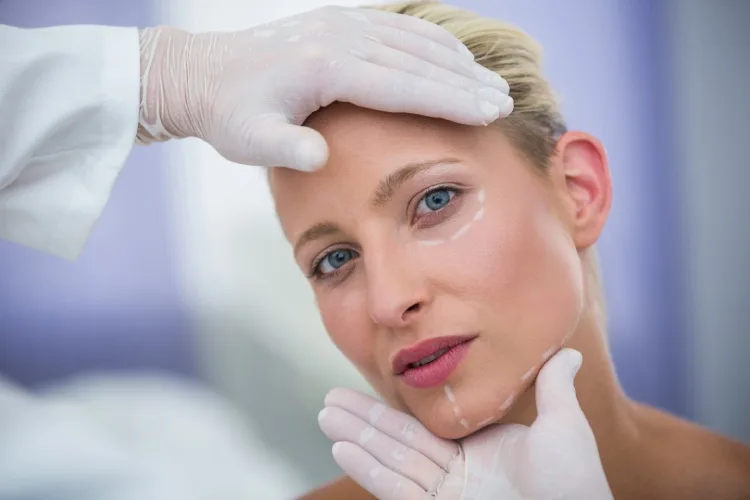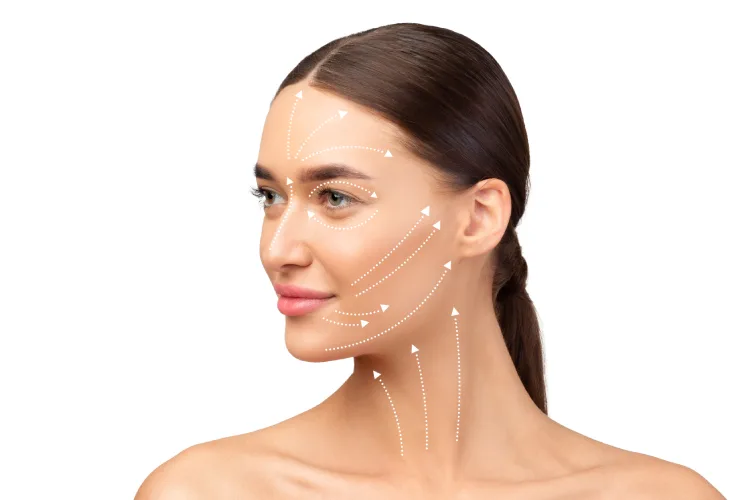
The skin may age over time due to factors such as advancing age, genetic factors, an unhealthy lifestyle, and gravity. It is possible to take certain precautions to slow down the aging process. In addition, surgical or non-surgical skin rejuvenation treatments can be considered to address factors such as age and genetics that cannot be changed. Today, there are numerous non-surgical facelift methods that can be successfully applied to address skin sagging and tissue loss. Medical Aesthetics Specialist Dr. Lida Çiteli, who provides services to her patients in Istanbul, explains what you need to know about non-surgical facelift methods.
Tercih ettiğiniz yapay zekâ aracında, yalnızca bu sayfadaki bilgilere dayalı kısa bir özet oluşturun.
Bu özet yapay zekâ tarafından üretilir, tıbbi tavsiye yerine geçmez. Kesin bilgi için hekiminize danışın.
What Is a Non-Surgical Facelift?
Non-surgical facelift treatments can be briefly described as popular medical aesthetic procedures designed to achieve firmer, smoother, and younger-looking skin. Considered a significant alternative to surgical facelift procedures, these methods can improve the appearance and condition of the skin without requiring surgical incisions, general anesthesia, or lengthy recovery periods.
What Are the Advantages of a Non-Surgical Facelift?
Compared with surgical facelift procedures, non-surgical skin rejuvenation methods stand out as more comfortable and generally more convenient options for patients. A non-surgical facelift treatment can be completed in a shorter period of time, and patients generally do not experience significant pain or discomfort during the procedure.
After treatment, patients can return to their social lives and daily activities. Since general anesthesia is not required, anesthesia-related complications associated with surgical facelift procedures are not an issue. The recovery process is generally comfortable for patients. However, unlike surgical facelift procedures, the results of non-surgical facelift treatments are not permanent and may need to be repeated at certain intervals.
What Are the Non-Surgical Facelift Methods?
Non-surgical facelift treatments are planned and performed according to the patient's anatomical characteristics, needs, and expectations. While a single procedure may sometimes be sufficient, in other cases, multiple methods may need to be combined. The non-surgical facelift procedures used for skin rejuvenation can be examined individually as follows:
Botox
Botox injections are among the most frequently performed treatments for facial wrinkles. They are particularly effective in reducing the appearance of crow's feet around the eyes, forehead wrinkles that become more prominent when frowning, and horizontal lines that may develop around the nose. Botox injections have been used in both aesthetic and medical applications for many years. The treatment is performed by injecting a predetermined dose of botulinum toxin into the required areas. However, Botox injections should always be performed by a qualified physician under appropriate clinical conditions. The initial effects of Botox become noticeable within approximately 72 hours after the procedure. The effects can last for up to six months. Depending on the individual's needs, the treatment may need to be repeated at specific intervals. However, uncontrolled and overly frequent Botox treatments may cause changes in facial expressions and muscle movement. Therefore, treatment intervals should be determined according to the physician's recommendations.
Dermal Fillers
Another method that has been used for non-surgical facial rejuvenation for many years is dermal filler treatment. Dermal fillers can rejuvenate the skin without surgery while providing a comfortable and relatively quick treatment option. In addition to reducing the appearance of wrinkles, fillers can also help restore a more refreshed and youthful appearance to the skin. The filler material is administered into the skin through injection. Like Botox injections, filler treatments are generally comfortable for the patient. The effects of dermal fillers can last approximately six to twelve months. The timing of repeat treatments is determined according to your physician's recommendations.
HIFU
HIFU, or focused ultrasound, is an effective facial lifting treatment. It uses sound waves to stimulate collagen production in the deeper layers of the skin. It helps tighten the skin and can be used to address sagging and laxity in areas such as the face and under the chin. Before an ultrasound facelift treatment, the skin should be evaluated and a personalized treatment plan should be prepared. HIFU does not cause changes in skin color. Patients can generally return to their daily activities after focused ultrasound treatment. The effects of a single HIFU session can continue to develop for several months. In many patients, even a single HIFU session can provide a noticeable improvement in facial firmness and rejuvenation.
Fotona
Before a Fotona treatment, the treatment area is numbed using topical creams with a local anesthetic effect. Patients generally feel only a mild warming or burning sensation during the procedure. It is a non-invasive treatment. Four-dimensional facial rejuvenation involves treating the skin not only externally but also from inside the mouth. By affecting the facial tissues from both inside and outside, the treatment can reach deeper layers of the skin. It stimulates collagen production and helps restore elasticity. As a result, the skin becomes firmer. A treatment course of approximately four to six sessions may be recommended to achieve the desired appearance. The Fotona method can also help reduce the appearance of wrinkles around the eyes.
Thread Lift (French Lift):
Sagging may occur in the facial area due to gravity and environmental factors. As a result, the skin begins to show signs of aging. With the thread lift method, suspension threads are placed beneath the skin. These threads, which can remain effective for up to two years, should always be placed by an experienced physician under sterile conditions. The treatment is performed under local anesthesia, and patients generally experience only minimal discomfort. However, individuals with advanced-stage cancer, diabetes, blood-clotting disorders, or active skin infections may not be suitable candidates for this treatment. Thread lift is also generally not recommended for individuals with autoimmune diseases, children, or women who are pregnant.
Mesotherapy
Another non-surgical facelift technique is mesotherapy. A mesotherapy solution prepared according to the individual's needs is injected into the skin using fine needles. In addition to facial rejuvenation, it is frequently preferred for addressing skin pigmentation, cellulite, hydration, and the nourishment of the hair and skin.
PRP
In PRP treatment, blood taken from the patient's own body undergoes a series of centrifugation and filtration processes to obtain plasma rich in platelets and growth factors. The resulting plasma is injected into areas of the skin where regeneration and improvement are desired. It is a treatment frequently used for various purposes in medical aesthetics.
Gold Needle
Gold Needle fractional radiofrequency treatment is used to address changes that occur in the skin over time. Before treatment, the face should be thoroughly cleansed. Topical creams with a local anesthetic effect are applied to ensure that the patient does not experience significant discomfort during the procedure and has a comfortable treatment experience. Gold Needle treatment can be combined with PRP and mesotherapy to enhance the overall treatment effect. Mild redness on the skin surface after the procedure is considered normal. It is important to keep the treated area moisturized and protected from the sun. Minor crusting may occur on the skin. However, these effects generally resolve on their own within a few days after the session. It is advisable to avoid washing the face and applying makeup on the day of the Gold Needle treatment.
Scarlet
Scarlet non-surgical facelift treatment is performed using specially designed microneedles to deliver radiofrequency energy beneath the skin. It helps bring collagen fibers together and aims to provide an overall skin-rejuvenating effect. It is designed to help compensate for loss of skin elasticity and improve sagging.
Salmon DNA
Salmon DNA treatment can be combined with laser treatments, dermal fillers, and Botox injections. It aims to help maintain the skin's moisture balance and improve facial sagging.
How Is a Non-Surgical Facelift Performed? Which Areas Can Be Treated?
Non-surgical skin tightening methods may need to be repeated at intervals recommended by the physician. The methods most appropriate for the patient's needs and expectations should be selected. These treatments can be applied to areas such as the cheeks, neck, jawline, and under-chin area where volume loss and sagging are more pronounced.
Who Is Suitable for Non-Surgical Skin Rejuvenation Methods?
Anyone experiencing skin aging, excess tissue, volume loss, laxity, or sagging may consider surgical or non-surgical facelift treatments. Depending on the individual's needs, the physician determines whether surgical facelift procedures or non-surgical facelift treatments are more appropriate.
How Can the Skin Remain Youthful After a Non-Surgical Facelift?
Following non-surgical facelift treatments, the skin can achieve a firmer and more youthful appearance. However, maintaining these results is also important. In addition to genetic factors, environmental conditions play an important role in the aging process. To preserve treatment results and help maintain them for longer, it is important to drink plenty of water and exercise regularly. Regular exercise improves blood circulation and increases oxygen levels in the blood. A healthy and balanced diet is also important for healthy, radiant skin. Adequate intake of essential vitamins and minerals and a varied diet should be prioritized, with green leafy vegetables included regularly. Processed foods, sugar, and fried foods should be limited as much as possible. Attention should be paid to skin hygiene, makeup should be removed every day, and a skincare routine appropriate for your skin type should be established. Smoking and alcohol consumption should be limited, and sufficient sleep should be maintained. Lack of sleep can negatively affect the tissues beneath the skin and accelerate the aging process. Adopting healthy lifestyle habits can support the effectiveness of non-surgical facelift treatments.
Why Does the Face Sag Over Time and How Does the Need for a Non-Surgical Facelift Arise?
The signs of facial aging are not limited to fine lines that appear on the uppermost layer of the skin. As we age, changes occur in the bone structure, fat compartments, muscles, and skin. When we are young, the facial contours generally have an upward orientation. The fat tissue over the cheekbones is fuller, while the jawline is sharper and more defined. However, over time, the aging process and exposure to sunlight can lead to a reduction in dermal collagen synthesis. The structure of the elastin fibers that provide elasticity to the skin becomes weaker and begins to loosen.
In addition, as we age, volume loss can occur in the facial bones. As the underlying skeletal support weakens, the overlying tissues become more susceptible to the effects of gravity. The fat compartments that support the skin can lose volume and shift downward over time. All of these anatomical changes can lead to hollow cheeks, more pronounced nasolabial folds extending from the sides of the nose toward the lips, a tired appearance under the eyes, and sagging along the jawline.
Non-surgical facelift treatments are used to slow these signs of aging and help restructure the skin's support system. Rather than focusing solely on wrinkles on the surface, they target underlying factors and aim to provide structural rejuvenation.
How Does Focused Ultrasound (HIFU) Work Beneath the Skin for a Non-Surgical Facelift?
High-intensity focused ultrasound, or HIFU, is an advanced technology that affects the deeper layers of the skin without requiring a surgical procedure. HIFU technology targets the desired tissue without causing damage to the skin's surface. Acoustic energy delivered through the device's handpiece is concentrated at precisely targeted points within the deeper layers of the skin.
At the targeted depth, these waves create a controlled increase in temperature and produce microscopic areas of thermal stimulation. These micro-injuries activate the skin's natural healing response. The heat causes existing collagen fibers to contract and tighten. Over the following weeks, longer-term effects begin to develop. The body uses fibroblast cells to repair the targeted areas, stimulating the production of stronger collagen and elastin fibers. Over several months, this newly formed tissue network contributes to improvement and tightening from within. The skin can achieve a firmer appearance.
How Is a Liquid Facelift Performed as a Non-Surgical Facelift?
Liquid facelift is an injectable treatment designed to address the loss of volume and structural support that develops in the face as part of the aging process, using dermal filler materials. During a liquid facelift, tissue-compatible gels based on hyaluronic acid or materials containing calcium hydroxylapatite may be used. Liquid facelift treatment aims to rebuild weakened structural support and provide upward support to sagging tissues. The procedure can be performed using blunt-tip cannulas, which helps minimize the risk of vascular and nerve injury and significantly reduces the possibility of bruising.
Which Areas Are Treated with the 8-Point Lifting Technique?
In clinical practice, liquid facelift treatment is performed by considering the biomechanical and dynamic characteristics of the face. It aims to strengthen the retaining ligaments and key support structures of the face. By using a minimal amount of filler material, the goal is to achieve a maximum structural lifting effect. Different areas of the face are evaluated as an interconnected whole. Sagging tissues are supported and repositioned upward. Liquid facelift treatment can be applied to areas such as:
- Temple area
- Lower cheek hollow
- Cheekbones
- Cheeks
- Jawline
- Anterior chin
- Areas around the nose
- Jawline and surrounding areas.
How Do Smart Fillers and Biostimulation Enhance the Effect of a Non-Surgical Facelift?
Liquid facelift treatment can provide not only immediate physical volume but also a rejuvenating effect at the cellular level. The use of biostimulatory agents differs from conventional hyaluronic acid-based fillers. Rather than simply placing a gel beneath the skin to create volume, the aim is to stimulate the skin's natural collagen production. These materials, applied homogeneously to the dermal and subcutaneous layers, are biocompatible with the body. They are gradually metabolized by the body over time. This stimulation process occurs in several stages. During the first few days after injection, the solution can create temporary fullness. However, this effect decreases as the fluid is gradually absorbed by the body. In the following weeks, microparticles are recognized by the body's immune cells, initiating a cellular response. This response stimulates fibroblast cells responsible for tissue repair to produce new collagen fibers. Over the following months, the type I and type III collagen network becomes denser, the skin gains elasticity, and laxity in the facial contours can gradually improve. The effects of this treatment develop slowly and progressively. The biological improvement achieved in the skin provides long-term structural support.
What Can Be Expected During Recovery After a Thread Lift for a Non-Surgical Facelift?
Thread lift procedures are performed under local anesthesia. No surgical incision is made in the skin, and the procedure is performed using fine, blunt-tip cannulas. Patients can generally return to their daily activities after treatment. However, because a mechanical lifting force is applied, some adjustment may be required. Mild swelling may occur around the injection areas for several weeks after the procedure. Minimal tenderness may be experienced at the needle entry points. As the threads lift sagging tissue upward, temporary irregularities, mild puckering, or dimpling may occur. These effects generally resolve naturally as the tissue adapts to its new position.
During this period, patients should avoid mechanical stress to prevent displacement of the threads beneath the skin, reduce the risk of asymmetry, and allow the collagen-supporting network to develop. The following precautions should be observed after a thread lift;
- Sleep on your back
- Avoid vigorous facial massage
- Do not rub the face
- Avoid opening the mouth excessively
- Avoid chewing hard or crusty foods
- Avoid very hot baths
How Do Gold Needle and Fractional Radiofrequency Support Non-Surgical Facelift Protocols?
A non-surgical facelift is not limited to lifting tissue and restoring volume. It also aims to improve the overall quality of the skin surface. One of the most effective methods in this regard is Gold Needle, also known as fractional radiofrequency technology. In this method, gold-plated microneedles with individually adjustable penetration depths reach the dermal layer without causing thermal damage to the skin's surface. Because Gold Needle technology delivers energy precisely, radiofrequency energy is released beneath the skin primarily through the tips of the needles.
This controlled radiofrequency heat in the deeper tissues causes damaged collagen fibers to contract and tighten. At the same time, the microchannels created by the needles activate the wound-healing mechanism. When applied in a regular series of sessions, it can improve overall skin elasticity, reduce the appearance of enlarged pores and fine lines, and significantly improve the appearance of acne scars. When combined with other treatments designed to improve the facial contour, Gold Needle treatment can contribute to a comprehensive skin-rejuvenation effect.
Why Is a Holistic Approach Important During a Non-Surgical Facelift?
To achieve successful results in medical aesthetic treatments, the face should be evaluated from a holistic, three-dimensional perspective. The aging process does not occur in a single tissue. Therefore, it is not always possible to address all concerns with a single procedure. The anatomical needs of each face can vary significantly. In some patients, the skin may be very thin and damaged, while in others, the skin may be thicker but the deeper fat compartments may have shifted or sagged.
An ideal non-surgical facelift may require several methods to be combined. For example, focused ultrasound, or HIFU, can be used to create deep tissue contraction. Subsequently, smart fillers can be applied to areas such as the temples where volume has been lost, helping provide a structural lifting effect. At the superficial level, combining Gold Needle and PRP treatments can improve the appearance and radiance of the skin, completing the treatment protocol. Each procedure is planned to complement the effects of the others. Successful results can be achieved through personalized treatment combinations tailored to the patient's anatomical needs and expectations.
Non-Surgical Facelift Prices
The prices of non-surgical facelift treatments vary depending on the method used, the number of sessions required, the clinic where the treatment is performed, and the physician's expertise and experience. The exact price is determined following a medical consultation and personalized treatment planning. You can contact us to obtain detailed information about non-surgical facelift treatment prices.
What is a Non-Surgical Facelift and What are its Types? Hakkında Sıkça Sorulan Sorular
How can I make my face look tighter?
To achieve a firmer and tighter-looking face, you may consider non-surgical facelift treatments that do not require surgical incisions or general anesthesia and can also support skin and tissue quality. In particular, the thread lift method can help suspend sagging tissues upward and create a firmer, more dynamic, and youthful appearance. In addition, treatments such as PRP and mesotherapy may be considered to support skin elasticity and hydration.
What is good for a sunken face?
For a sunken facial appearance associated with volume loss, dermal filler treatments may be used to restore lost volume and fullness. In addition, mesotherapy may be considered to support skin quality, while thread lift techniques can help support tissues that have shifted downward under the effect of gravity. Addressing age-related facial volume loss may help the skin appear healthier and more refreshed. Particularly in the mid-face area, personalized treatments that support the underlying tissues can help define the facial contour and reduce a tired-looking appearance.
How can a sagging face be tightened?
Non-surgical methods used to improve the appearance of a sagging face include focused ultrasound, or HIFU, Gold Needle fractional radiofrequency, and thread lift procedures. These treatments may help support the skin and connective tissues, stimulate collagen production, and improve the appearance of skin firmness. With thread lift procedures, sagging tissues are mechanically supported upward while the healing response around the medical threads may also stimulate collagen production.
What is a thread lift?
A thread lift is a non-surgical medical aesthetic procedure designed to support and lift sagging skin and soft tissues using biocompatible medical threads. The treatment does not require a surgical incision or general anesthesia and aims to provide structural support beneath the skin. The medical threads placed under the skin can contribute to collagen stimulation through the body's natural healing response around the treatment area. This may help support skin firmness and elasticity over time.
Which areas can be treated with a thread lift?
A thread lift can be applied to areas where skin and soft-tissue laxity is present, including the jawline, neck, eyebrows and eye area, double chin, and cheeks. It may also be considered to enhance the appearance of the cheekbones, support eyebrows that have shifted downward, address volume loss in the mid-face area, and reduce the appearance of nasolabial folds extending from the sides of the nose toward the lips. The treatment areas are determined after a detailed facial and skin assessment based on the patient's individual needs and expectations.
What appearance concerns can be addressed with a thread lift?
A thread lift may be used to address aesthetic concerns such as wrinkles, skin laxity, loss of elasticity and volume, reduced jawline definition, and a tired-looking facial appearance. It aims to support weakened skin and soft tissues from beneath the surface. After treatment, the goal is to achieve a firmer, more lifted, and more dynamic facial appearance. It can be an option for individuals who want to improve facial contours without surgical incisions or a lengthy recovery period.
Is sleeping position important after a thread lift?
Yes. After a thread lift, paying attention to your sleeping position is recommended to allow the medical threads to settle properly within the tissues and to help reduce the risk of unwanted asymmetry. During the first few weeks after treatment, it is generally preferable to sleep on your back rather than on your stomach or side. This can help reduce direct physical pressure on the treated area and support the healing process.
Is there an appropriate age range for a thread lift?
There is no single age that is suitable for everyone considering a thread lift. The decision is based on the individual's skin structure, degree of elasticity loss, facial anatomy, severity of sagging, and expectations. A thread lift may be considered for individuals with mild to moderate laxity who do not currently require a surgical facelift. In cases of advanced skin and soft-tissue sagging, surgical treatment options may be evaluated by the physician.
Is a non-surgical facelift permanent?
The results of non-surgical facelift treatments are not permanent in the same way as those of surgical facelift procedures. The duration of results varies depending on the treatment method, skin characteristics, age, lifestyle, and individual metabolic factors. In thread lift procedures, the biocompatible medical threads used may gradually break down or be absorbed by the body. However, the collagen response around the threads may contribute to maintaining the effects for a period of time. Repeat treatments may be considered at intervals recommended by the physician when appropriate.
How is a non-surgical facelift performed?
The procedure varies depending on the selected treatment. In a thread lift, medical threads are placed beneath the skin using microcannulas or appropriate application devices, and sagging tissues are supported in the desired direction. No surgical incision or stitches are required. Local anesthetic creams or an appropriate local anesthesia technique may be used during the procedure. Following treatment, patients can generally return to their daily activities relatively quickly, provided they follow their physician's aftercare recommendations and restrictions.
What is the best facelift treatment?
There is no single treatment that can be considered the “best facelift treatment” for everyone. The degree of sagging, skin structure, facial anatomy, volume loss, age, and individual expectations should be evaluated by a physician before creating a personalized treatment plan. For mild to moderate sagging, non-surgical options such as a thread lift may be considered. For more advanced sagging and significant excess tissue, surgical treatment options may need to be evaluated.
What is a full-face non-surgical facelift?
A full-face non-surgical facelift is a comprehensive treatment approach that evaluates the entire face from a holistic, three-dimensional perspective rather than focusing on a single area. The aim is to address sagging, volume loss, and skin-quality concerns affecting different areas of the face as part of an integrated treatment plan. Depending on the patient's needs, thread lift, HIFU, dermal fillers, Gold Needle, or other medical aesthetic treatments may be combined. The goal is to create a more balanced and natural-looking facial contour.
How long does the procedure take?
The duration of treatment varies depending on the method used, the treatment area, and the number of medical threads required. A thread lift procedure can generally be completed in approximately 30 minutes to one hour. The exact duration is determined according to the personalized treatment plan prepared after the consultation.
Does it have the same effect on everyone? Who is the ideal candidate for a non-surgical facelift?
The results of non-surgical facelift treatments may vary from person to person. Individuals with mild to moderate skin and soft-tissue laxity who do not want surgery and are looking for a treatment to support facial firmness may be suitable candidates. However, individuals with severe skin laxity, significant excess tissue, or advanced age-related volume loss may need to have surgical treatment options evaluated. Suitability should be determined following a detailed medical examination.
How long do the effects of the treatment last?
The duration of results varies depending on the treatment method and the individual's characteristics. Particularly with procedures such as thread lifts, the longevity of results may be influenced by the type of threads used, skin structure, age, lifestyle, and the skin's collagen-producing capacity. The most accurate assessment of expected longevity can be made by the physician following an individual examination.
Is the procedure painful?
Everyone has a different pain threshold. However, before procedures such as a thread lift, the treatment area may be numbed with topical local anesthetic creams or an appropriate local anesthesia technique. This is intended to minimize discomfort during the procedure and provide a more comfortable treatment experience.
What should I pay attention to after treatment?
Mild redness, swelling, tenderness, puffiness, or itching may occur in the treated area after the procedure. These effects are generally temporary and should be monitored according to the physician's recommendations. Particularly after a thread lift, patients may be advised to avoid facial massage, strenuous physical activity, and movements that place pressure on the treated area for the first few weeks. Sleeping on the back rather than on the stomach or side may also be recommended. Patients should follow all aftercare instructions provided by their physician. The appropriate timing of dental procedures or other treatments that involve significant movement or pressure around the face should also be discussed with the physician.
What are the possible side effects of a thread lift?
A thread lift can be performed safely when carried out by an experienced physician under appropriate clinical conditions. However, as with any medical aesthetic procedure, temporary side effects may occur. Short-term redness, swelling, tenderness, or bruising may develop around the needle or cannula entry points. Some patients may experience temporary tightness, mild irregularities, or dimpling in the treated area. These effects are generally temporary. If an unexpected or persistent symptom develops, the physician who performed the procedure should be contacted.
Who should not undergo a non-surgical facelift?
The suitability of a thread lift and other non-surgical facelift treatments should be determined according to the individual's general health and the characteristics of the treatment area. Individuals with advanced cancer, uncontrolled diabetes, bleeding or clotting disorders, or active skin infections may not be suitable candidates. The suitability of treatment should also be carefully evaluated in individuals with serious autoimmune diseases, people under the age of 18, and women who are pregnant. Anyone with a known allergy or hypersensitivity to the materials that may be used during the treatment should inform their physician before the procedure.