Morpheus 8 skin rejuvenation treatment is performed using microneedles and radiofrequency energy. It is a minimally invasive procedure, meaning it does not involve surgery. It is a non-surgical aesthetic treatment. During the procedure, the handpiece and treatment parameters are customized for each individual. A personalized treatment plan is developed by evaluating factors such as the person's skin type, the target area, the severity of their concerns, and their skin's tendency to develop pigmentation. Dr. Lida Çiteli, a Medical Aesthetics Physician serving patients in Istanbul, explains how Morpheus 8 skin rejuvenation treatment is performed.
Generate a short summary based only on the information on this page using your preferred AI tool.
This summary is generated by AI and does not replace medical advice. Consult your physician for definitive information.
Physician Assessment and Treatment Planning
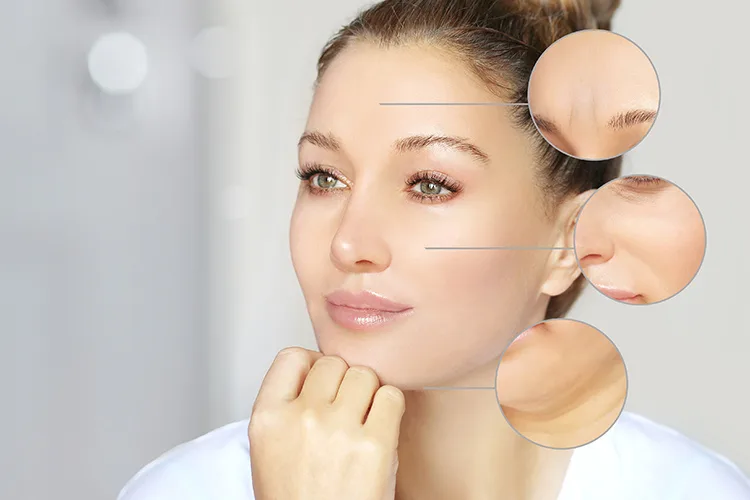
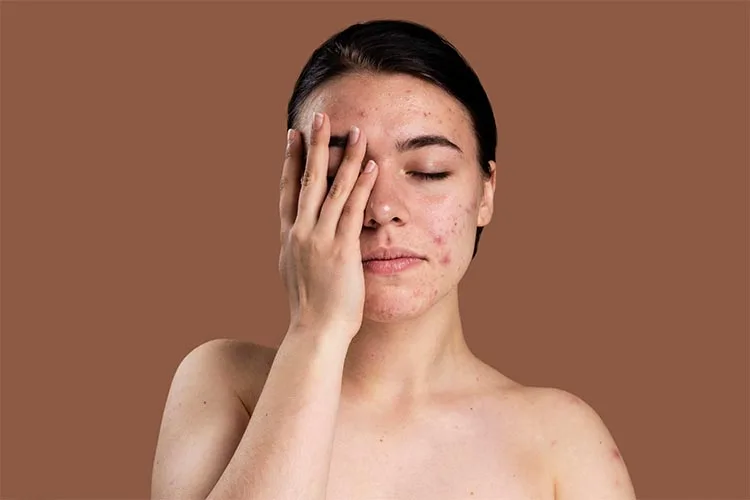
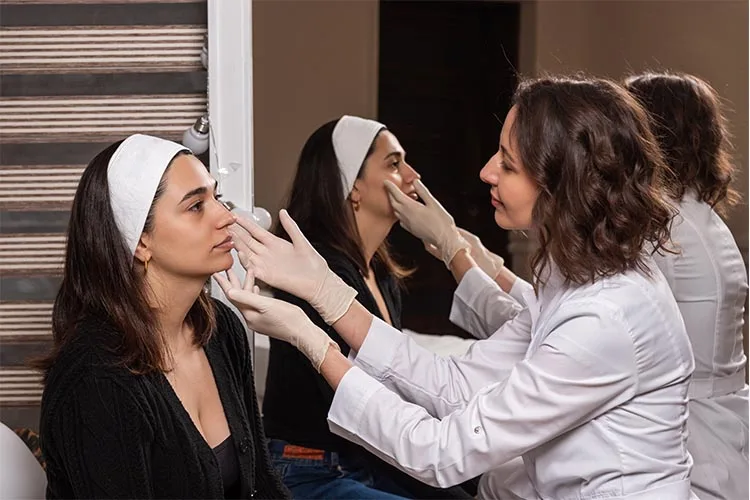
First, the patient undergoes a comprehensive evaluation by a physician who is knowledgeable about facial anatomy and non-surgical aesthetic procedures. During this consultation, information is gathered about the individual's needs, expectations, medical history, skin imperfections, and medications they use. Concerns such as skin laxity, fine lines, enlarged pores, acne scars, and uneven skin texture are assessed to determine their severity.
Next, decisions are made regarding the treatment area, needle depth, energy level, and handpiece selection. If the person has an active infection, an open wound, or a similar condition, the timing of the treatment is planned accordingly.
Cleansing the Skin and Preparing for the Procedure
On the day of the procedure, the patient's skin should be free of makeup residue, sunscreen, creams, and other cosmetic products. The treatment area is thoroughly cleansed first. Once proper skin hygiene has been ensured, the patient is ready for treatment.
To make the procedure more comfortable, the treatment area is numbed with topical anesthetic creams. It is necessary to wait for a while to allow the cream to take effect. The needle entry points are then marked.
Applying the Morpheus 8 Handpiece to the Skin
Once the preparation stages are complete, the handpiece is carefully placed against the skin. The microneedles on the handpiece penetrate to the depth determined beforehand. Once all the needles reach the target tissue, radiofrequency energy is delivered to the area. This energy generates heat, creating a controlled thermal effect.
The procedure is not performed across the entire area in a single movement. The physician divides the skin into sections and treats each area accordingly. Different techniques may be required in areas with more pronounced textural irregularities. The settings and parameters are determined according to the individual's skin type. There is no single standard setting that applies to every case with Morpheus 8.
The patient may experience a sensation of warmth or mild pricking during the treatment. Everyone has a different pain or discomfort threshold. Therefore, the physician monitors the skin's response throughout the procedure and proceeds in a controlled manner.
Checking the Skin After the Procedure
Once the procedure is complete, the physician evaluates expected effects such as redness, increased skin temperature, and sensitivity. Your physician may then recommend certain products to soothe the skin. You should follow your physician's aftercare instructions until temporary side effects subside and avoid products or materials that may irritate your skin during this period. You should also avoid excessively hot environments for a while. After treatment, unprotected exposure to sunlight should be avoided.
Follow-Up and Planning Additional Sessions if Necessary
Following Morpheus 8 skin rejuvenation treatment, the recovery process and changes in the skin should be monitored. Collagen formation is a biological process that takes time. Changes do not occur at the same time or in the same way for everyone. During follow-up appointments, the physician evaluates how the skin has responded to the treatment. Additional sessions or complementary treatments are planned if necessary.