To briefly answer the question of what Morpheus 8 skin rejuvenation treatment is, it is an innovative non-surgical aesthetic treatment that combines microneedling and radiofrequency energy to support the skin's natural renewal mechanisms. Microneedles reach the targeted depth of the skin, where controlled radiofrequency energy is delivered to the tissue. This creates a thermal effect and controlled tissue injury in the targeted skin layers. As a result, the skin's natural renewal mechanisms and collagen production are stimulated. Morpheus 8 aims to reduce textural irregularities and promote a more even skin appearance.
It is not a surgical facelift procedure. Therefore, no incisions are made, and lengthy or difficult recovery periods are not required. Results may vary depending on the individual's skin characteristics, the treatment area, and the severity of sagging and other concerns. Lifestyle habits and the selected treatment parameters also influence the results. Dr. Lida Çiteli, a Medical Aesthetics Specialist serving patients in Istanbul, explains what Morpheus 8 skin rejuvenation treatment is, which skin concerns it can address, how it works, and why it is preferred.
Generate a short summary based only on the information on this page using your preferred AI tool.
This summary is generated by AI and does not replace medical advice. Consult your physician for definitive information.
Which Skin Concerns Can Morpheus 8 Address?
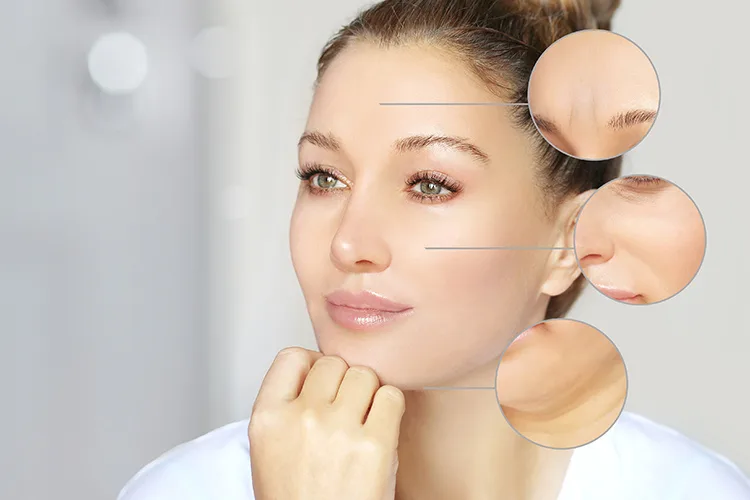
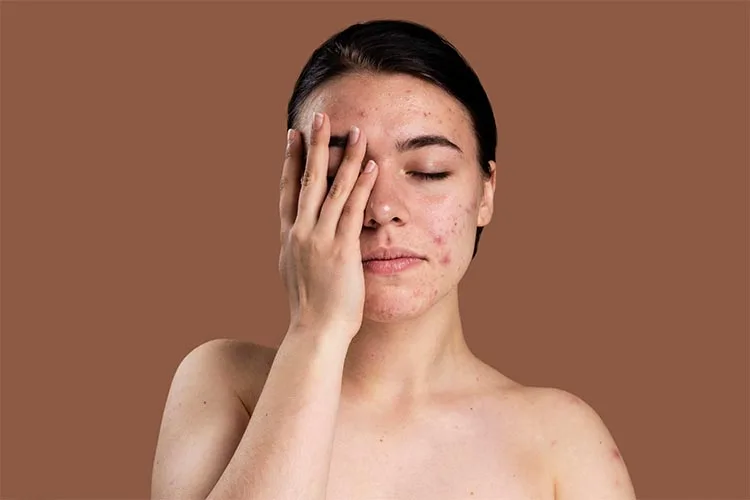
Morpheus 8 technology can be effective for mild to moderate skin laxity. It may also be used to address concerns such as fine lines, enlarged pores, rough skin texture, and acne scars. This procedure can be performed on various areas, including the face, jawline, neck, and décolletage. Each treatment must be individually planned according to the treatment area and the patient's specific circumstances. The parameters, needle depth, and energy settings are not standardized and must be customized.
Whether an individual is a suitable candidate for treatment is determined through a comprehensive assessment by a qualified physician. For example, if an active infection or inflamed acne lesions are present, treatment may need to be postponed. Similarly, if sagging or scarring is particularly advanced, Morpheus 8 alone may not be sufficient. In such cases, different treatment combinations or surgical procedures may be necessary. The treatment plan is determined according to the individual's needs and expectations.
Even when skin concerns appear similar, their underlying causes may differ. For example, enlarged pores may result from increased sebum production, while skin laxity may be associated with age-related collagen loss.
How Does Morpheus 8 Work?
The procedure provides mechanical stimulation through microneedles. It then creates a thermal effect by delivering radiofrequency energy. As a result, the skin's natural repair mechanisms are activated. The production of elastin and collagen is supported, along with the remodeling of existing collagen fibers. Over time, this can help the skin become firmer and achieve a smoother appearance.
The effects of treatment are neither immediate nor fixed. The effects of collagen remodeling continue to develop gradually over several weeks and months. However, results do not occur to the same extent or in the same way for every individual.
Morpheus 8 skin rejuvenation treatment does not completely peel away the skin's upper layer. The energy level, treatment area, and selected handpiece are determined individually for each case. For this reason, it is essential that the treatment be planned and performed by a qualified physician.
Why Is Morpheus 8 Preferred?
One reason Morpheus 8 technology is widely preferred in non-surgical aesthetics is its ability to target not only the skin's surface but also specific skin layers at selected depths. Since it is not a surgical procedure, recovery is generally comfortable and relatively quick. General anesthesia is not required.
However, this procedure is not suitable for every case or every patient. Before treatment, the individual's medical history, medications, current skin condition, tendency to develop pigmentation, needs, and expectations must be assessed. A personalized treatment plan is then developed accordingly. During recovery, it is also important to follow the physician's recommendations and protect the skin from sun damage and irritation.