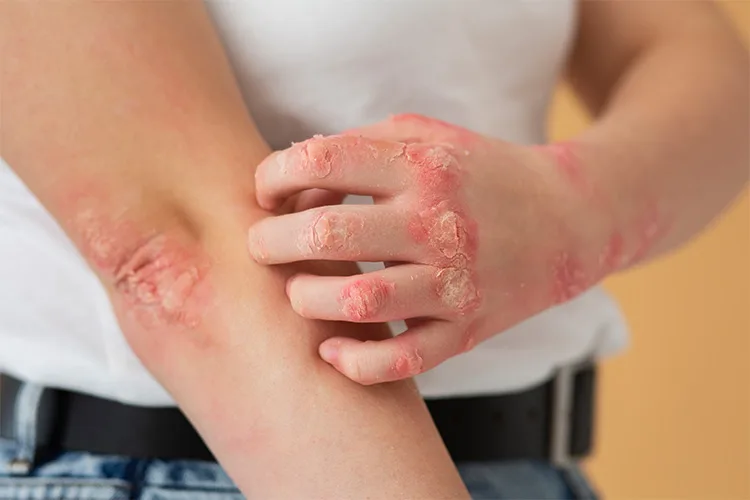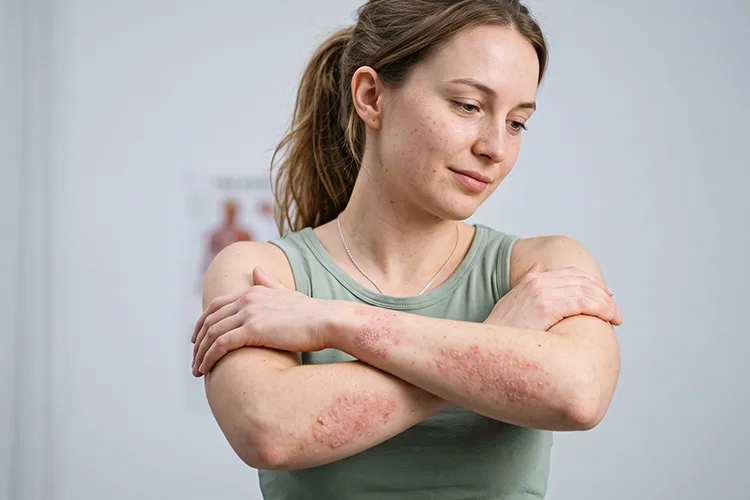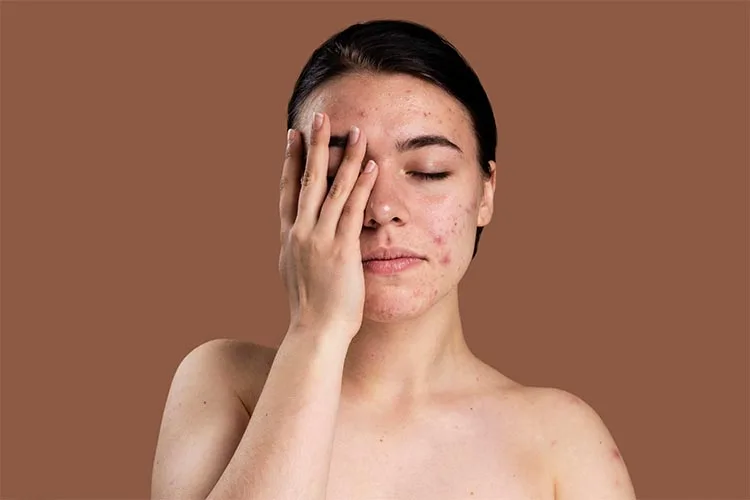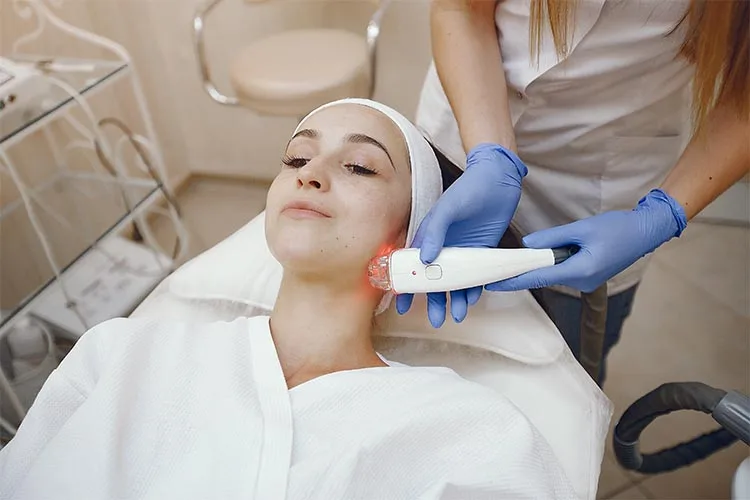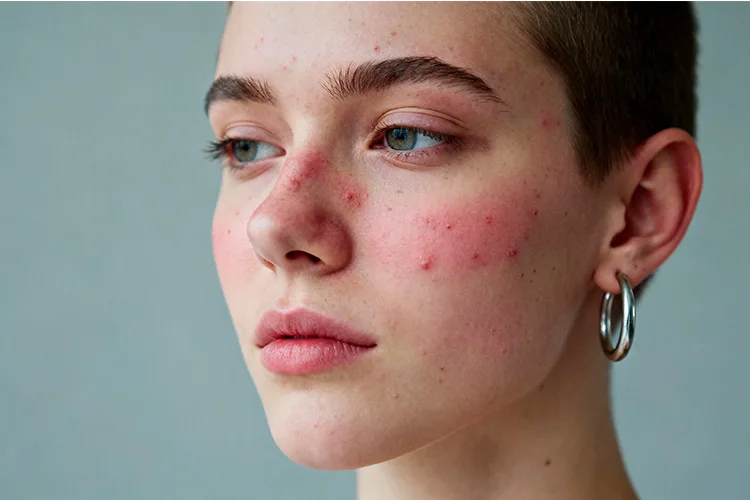
Rosacea causes symptoms such as sensitivity, redness, a burning sensation and visible capillaries in the facial area. In some cases it leads to acne-like bumps. It is a chronic skin condition. Whether Morpheus 8 skin renewal treatment can be applied to people with rosacea is determined by the type of the condition and its level of activity. Rosacea does not always definitively rule out Morpheus 8. However, the treatment decision can only be made after a comprehensive evaluation by a specialist physician.
Generate a short summary based only on the information on this page using your preferred AI tool.
This summary is generated by AI and does not replace medical advice. Consult your physician for definitive information.
Can Morpheus 8 Treatment Be Done During Active Rosacea?
During flare-up periods of rosacea, the skin can be in a much more sensitive and reactive state. Applying microneedling and radiofrequency energy to areas with marked redness, oedema, burning, inflamed bumps or intense irritation can increase the sensitivity of the skin.
For this reason, during active flare-up periods of rosacea, postponing Morpheus 8 is the correct approach. In particular, rosacea symptoms should be brought under control and the skin should be allowed to reach a more balanced state.
Does Morpheus 8 Increase Skin Redness in People With Rosacea?
The radiofrequency energy and micro needles used in Morpheus 8 treatment create controlled damage in the skin. In people with rosacea, the skin is much more sensitive to external factors and temperature changes. For this reason, the risk of reactions such as redness, burning and sensitivity developing after treatment must be carefully evaluated.
What Should People With Rosacea Pay Attention to Before Morpheus 8?
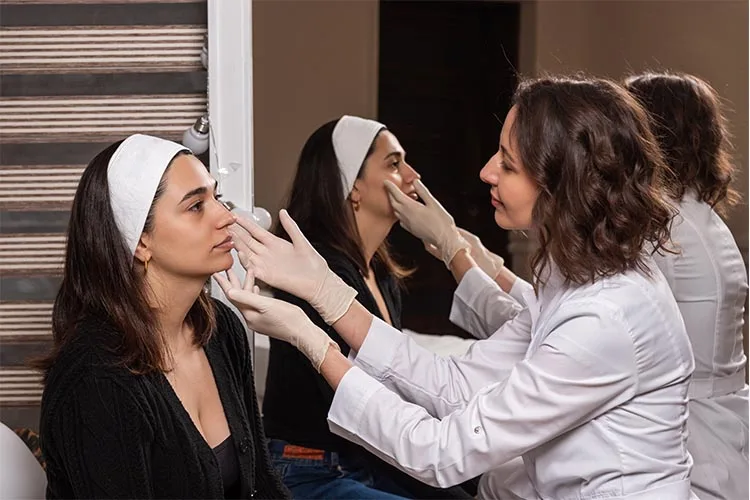
People diagnosed with rosacea must be evaluated by a physician before the procedure. How advanced the condition is, the appearance of blood vessels on the skin, the medications used, how sensitive the skin is and the level of inflammation are evaluated together, as a whole.
If your physician considers the procedure suitable, the application area, needle depth and energy level are determined by taking the person's skin characteristics into account. In addition, against risks such as burns, scarring or pigment changes, the treatment must be performed by a specialist and experienced physician under clinical conditions.