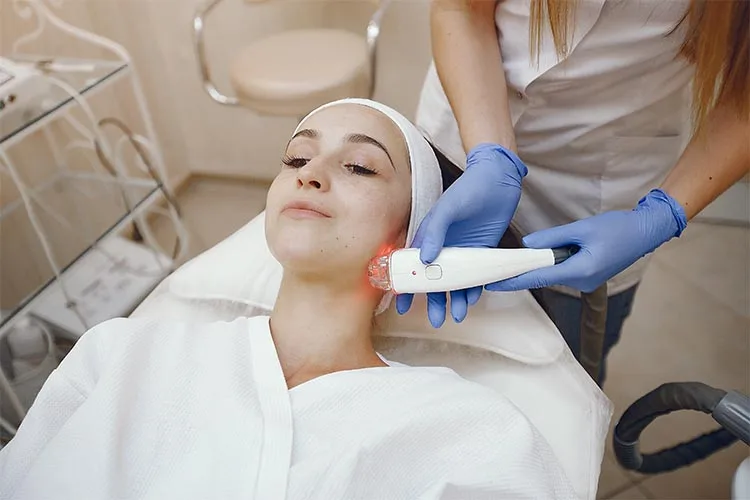
Morpheus 8 is a non-surgical aesthetic technology frequently used today for skin renewal, tightening and softening the appearance of signs of ageing. Combining microneedling and radiofrequency energy, this method aims to support the skin's collagen production. It aims to soften the appearance of fine lines and wrinkles, address skin laxity, improve the appearance of pores and acne scars. So, is this procedure safe? When applied to the right patients with the right parameters, needle depth and energy settings, it is a safe method. However, as with every aesthetic procedure, there are some risk factors in Morpheus 8 applications. For this reason, the patient must be comprehensively evaluated and potential risks identified before treatment. The treatment must be performed by a specialist physician under clinical conditions. The application area and parameters must be determined according to the person's skin characteristics. Based in Istanbul, Medical Aesthetics Specialist Dr. Lida Çiteli explains frequently asked questions about the safety of Morpheus 8.
Generate a short summary based only on the information on this page using your preferred AI tool.
This summary is generated by AI and does not replace medical advice. Consult your physician for definitive information.
Is Morpheus 8 Treatment a Safe Procedure?
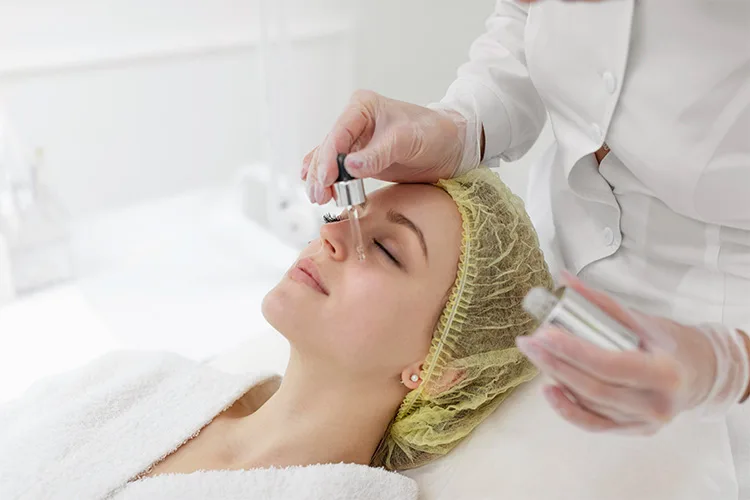
Yes, in most cases it is a safe non-surgical aesthetic treatment. The targeted depth of the skin is reached with micro needles and radiofrequency energy is delivered to this area in a controlled manner. This energy creates micro-level damage in the skin tissue, which supports the skin's self-renewal processes. After the treatment, temporary effects such as mild redness, swelling, sensitivity or dryness may occur on the skin surface. These effects resolve during the healing process without needing any treatment. However, rarely, serious complications such as burns, pigment changes, fat tissue loss, nerve damage or permanent scarring may be seen. For this reason, the expertise and experience of the physician performing the treatment is of great importance.
The FDA states that treatments based on microneedling and radiofrequency such as Morpheus 8 are safe when applied under appropriate medical conditions, to the right patients, by trained health professionals.
What Factors Affect Safety in Morpheus 8 Application?
The factors that must be met for Morpheus 8 skin renewal treatment to be applied safely include:
A specialist and experienced physician – The treatment must be performed by a physician who is well-versed in skin anatomy and trained and experienced in the use of the Morpheus 8 device. The physician can successfully manage possible complications that may occur during treatment and help you obtain maximum benefit.
Personalised Application Parameters – The needle depth and radiofrequency energy level applied in treatment must be set specifically according to the person's skin structure and treatment needs.
Hygiene Conditions – Before the procedure, the application area must be sterilised and infection control carried out. A new, individual, sterile micro needle cartridge must be used for each patient.
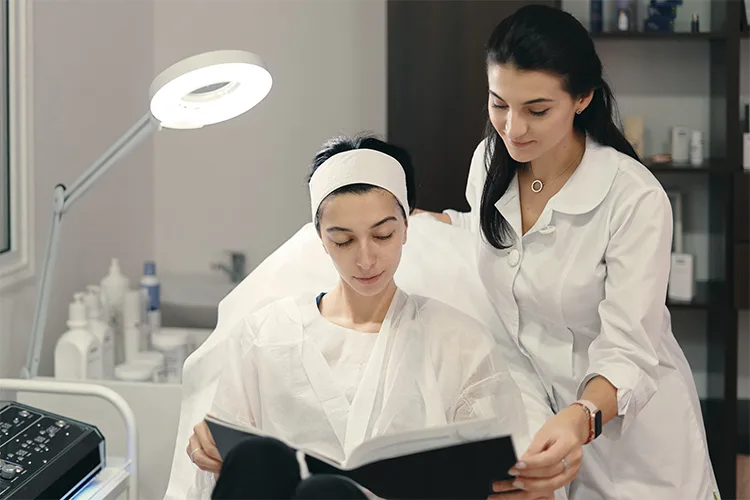
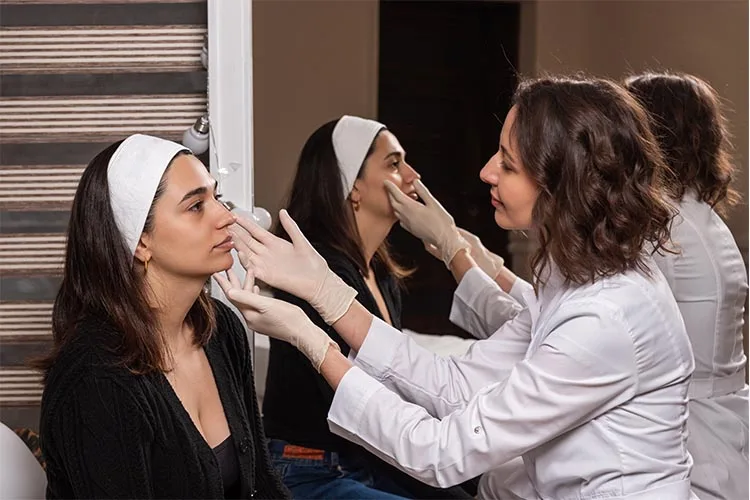
Patient Evaluation – The patient's skin conditions, whether an active infection is present, the medications used and any health problems that may harm the healing process must be evaluated by the physician before the procedure.
Is Morpheus 8 Suitable for Everyone?
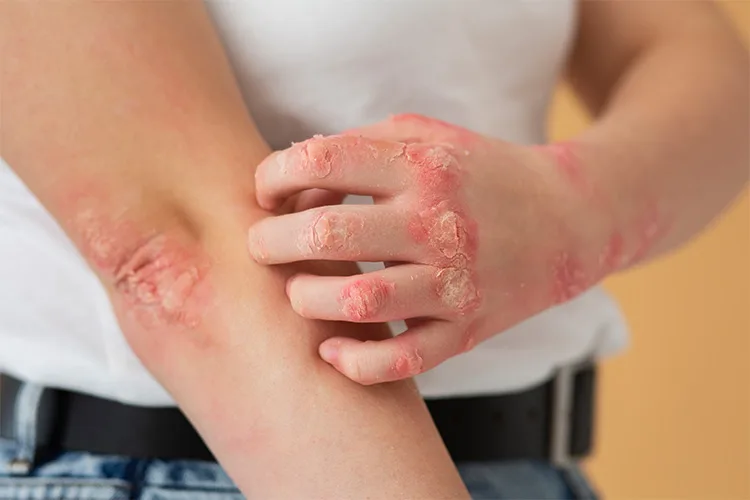
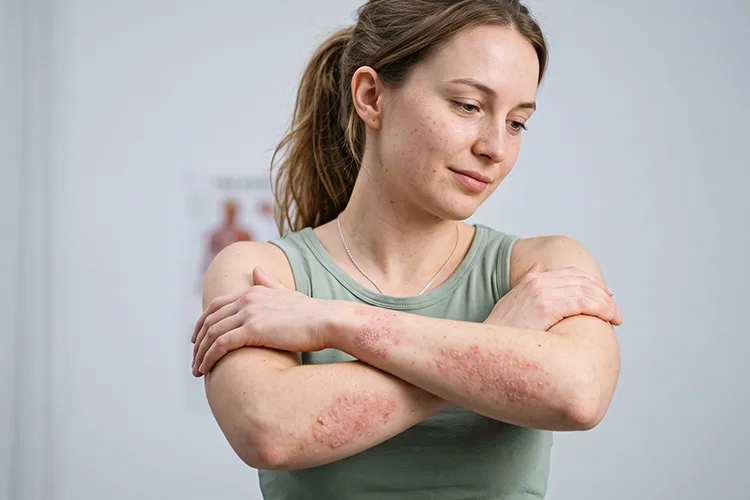
No. Morpheus 8 is not suitable for every skin type or every skin problem. For people with an active infection, eczema, psoriasis, active rash or an open wound on the skin, the treatment may not be suitable. In addition, the suitability for treatment of people with conditions affecting the immune system, those using certain medications or those with bleeding disorders must also be evaluated by the physician. Sometimes it may be decided to postpone the treatment, and sometimes to consider other treatment options.