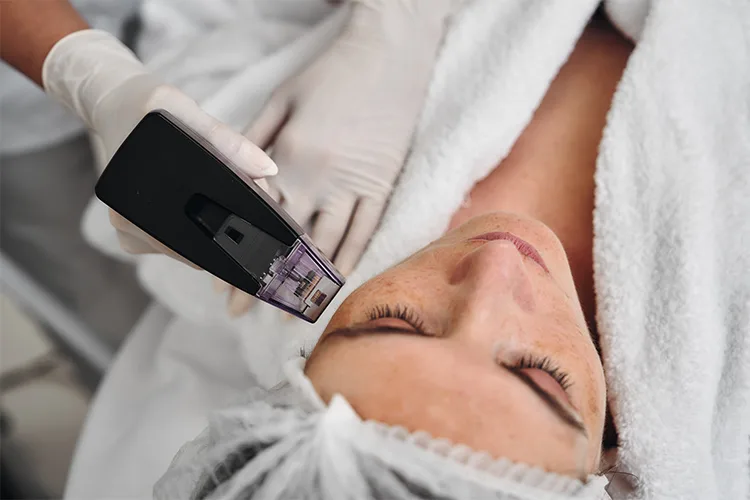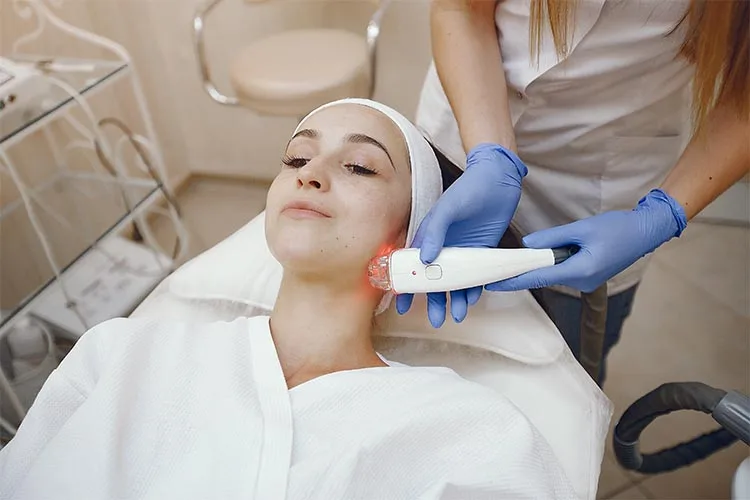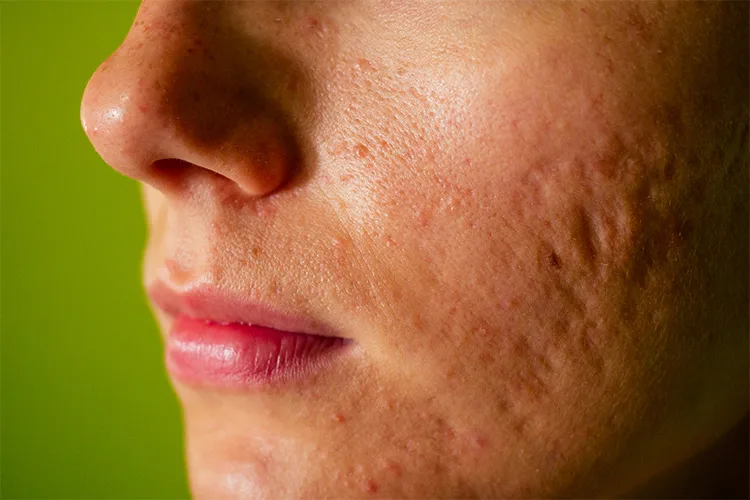
Morpheus 8 treatment is a non-surgical aesthetic treatment often applied for purposes such as skin renewal, tightening and softening the appearance of signs of ageing. The microneedling and radiofrequency energy used in treatment create micro channels on the skin surface and controlled damage in the lower layers of the skin. For this reason, it is normal to see temporary and minimal redness, pinpoint marks and mild crusting on the skin surface after treatment. One of the most frequently asked questions by people considering Morpheus 8 treatment is whether permanent scarring remains on the skin after treatment. Marks that occur on the skin after treatment are mostly temporary. Together with the skin's healing process, they heal on their own without requiring any treatment. However, rarely, undesirable complications such as pigment changes, burns or permanent scarring can occur on the skin. For this reason, the treatment must be applied with the correct parameters, by a specialist physician, under clinical conditions. Based in Istanbul, Medical Aesthetics Specialist Dr. Lida Çiteli answered for you the question of whether scarring remains after Morpheus 8.
Generate a short summary based only on the information on this page using your preferred AI tool.
This summary is generated by AI and does not replace medical advice. Consult your physician for definitive information.
Are the Marks That Form After Morpheus 8 Skin Renewal Treatment Permanent?
No. After Morpheus 8 treatment, small red dots and mild crusting may be seen on the skin depending on the entry points of the micro needles. However, these are part of the skin's natural reaction to the procedure. These symptoms heal by easing within a few days. Depending on the intensity of the procedure, needle depth and energy level, or according to the person's skin structure, the complete healing of these small crusts can take one to two weeks. Therefore, the marks that occur after Morpheus 8 are mostly not permanent. Permanent scarring is an extremely rare complication.
Is There a Risk of Permanent Scarring After Morpheus 8?
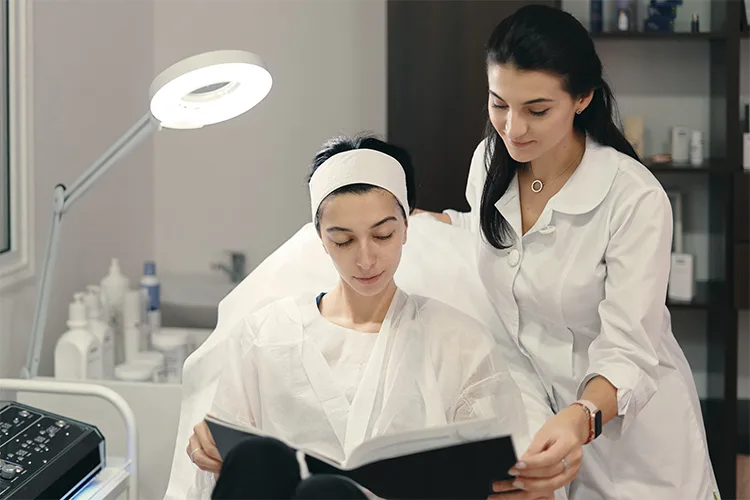
Mostly no. Permanent scarring on the skin after Morpheus 8 is not an expected outcome. However, this does not mean that the risk of permanent scarring is zero. Situations such as incorrect energy level, needle depth, application parameters, incorrect skin analysis, development of infection and failure to follow post-treatment care recommendations can increase the risk of complications. For this reason, the treatment must be performed by a specialist physician, after comprehensive evaluations, under clinical conditions.
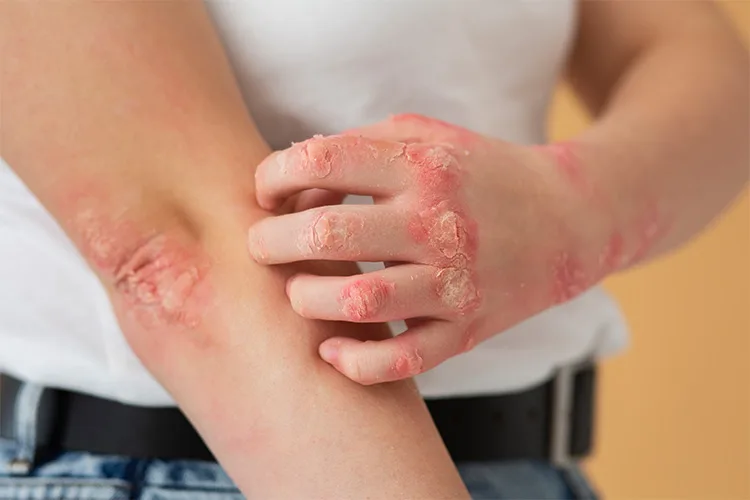
Rarely, situations such as burns, skin tissue disorders, colour changes or permanent scar formation can occur. Particularly in skin types prone to pigmentation, pre-treatment evaluation and determining the correct parameter settings is of great importance.
What Should Be Considered After Morpheus 8 to Prevent Scarring?
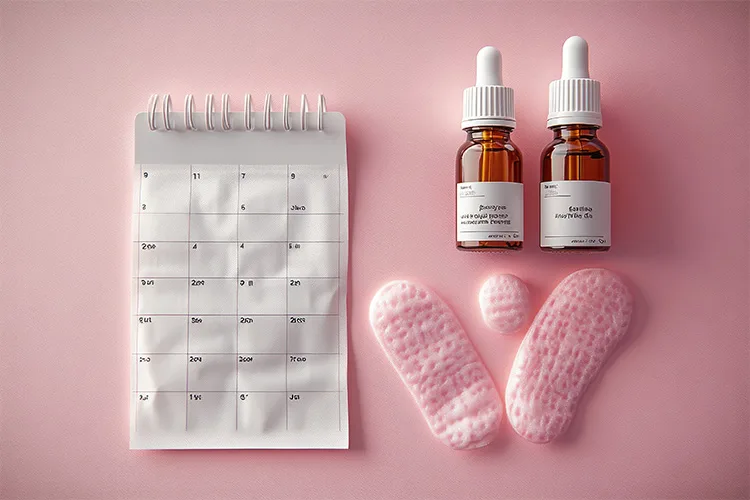
After the treatment, the skin must be protected correctly. The points to consider to support the healing process are as follows:
Do not peel off the crusts – After application, the small crusts that form at the needle entry points on the skin surface should be allowed to fall off on their own. During this period, peeling or scratching the skin can increase the risk of scarring.
Protect the skin from the sun – It should not be forgotten that the skin will be more sensitive to the sun during the healing process after treatment; sunscreen should be used and direct sun exposure should be avoided.
Do not irritate the skin – Products containing retinol, peeling, acid and active ingredients that can irritate the skin should not be used for the period recommended by the physician.
Gentle skincare – During this period, protect your skin with the cleanser products and moisturisers recommended by your physician.
Follow physician recommendations – Carry out post-treatment care and follow-up processes in line with your physician's recommendations.
In Which Situations Should You Consult a Doctor After Morpheus 8 Treatment?
After the treatment, it is normal to see mild redness, pinpoint crusting and sensitivity on the skin. However, if your pain is gradually increasing, swelling becomes pronounced, symptoms such as blistering, discharge and infection occur, or long-lasting colour changes appear, you should consult your physician.