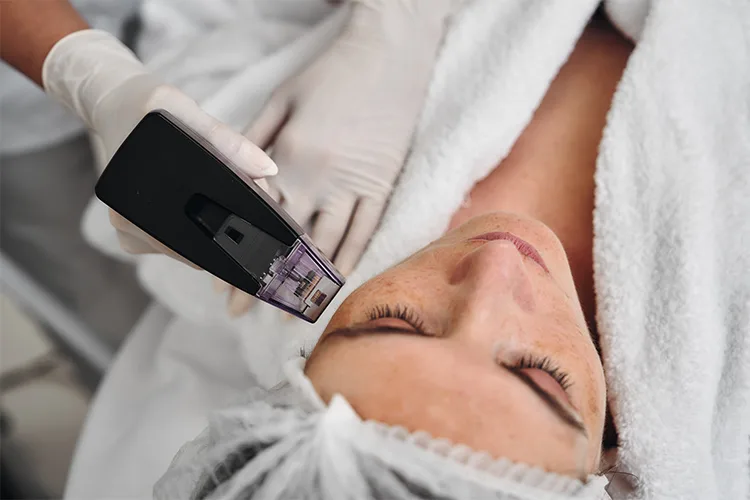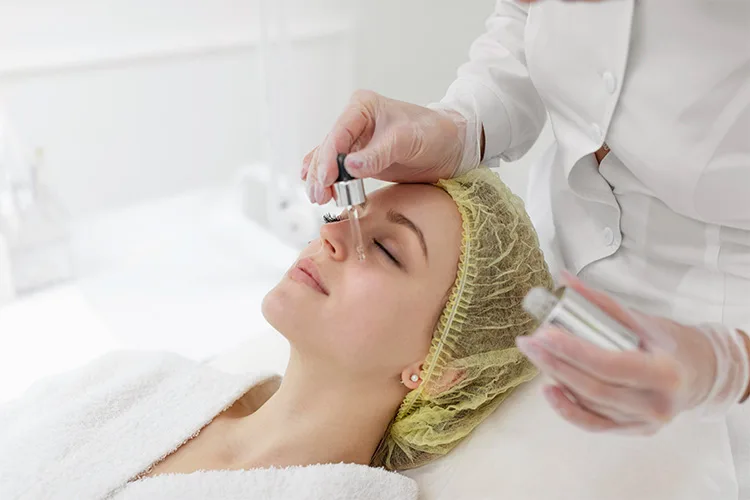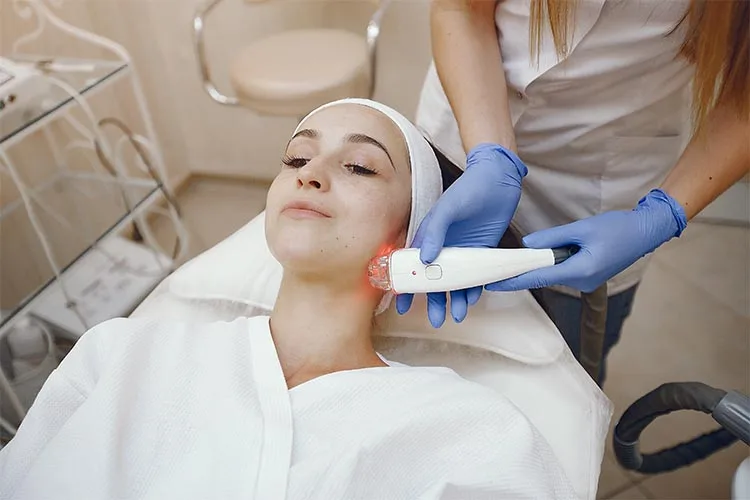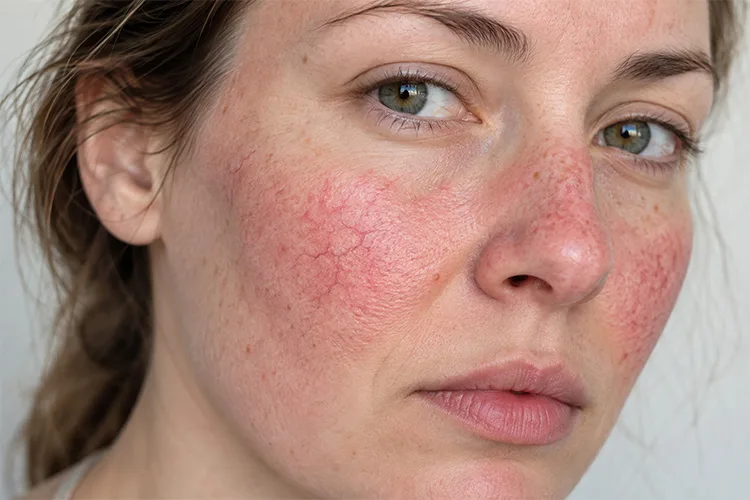
Morpheus 8 skin renewal treatment is one of the most popular non-surgical aesthetic applications today. Morpheus 8, which is often preferred to improve skin texture and tighten the skin, is not a surgical method. However, this does not mean that the treatment is completely risk-free. Temporary skin reactions can be seen after the procedure. However, when device parameters and settings are not made correctly, incorrect tip selection, inappropriate conditions and being performed by non-specialists, there is a risk of serious complications. For this reason, the treatment must be performed by a specialist physician under clinical conditions. Based in Istanbul, Medical Aesthetics Specialist Dr. Lida Çiteli explained the possible side effects and risks before Morpheus 8.
Generate a short summary based only on the information on this page using your preferred AI tool.
This summary is generated by AI and does not replace medical advice. Consult your physician for definitive information.
What Are the Common Side Effects That Can Be Seen After Morpheus 8 Treatment?
The most common effects in Morpheus 8 treatment are temporary skin reactions that occur in the procedure area. These result from needle entry and heat effect and are often seen as a natural part of the healing process. The common side effects that can be seen after Morpheus 8 are as follows:
Redness – Temporary redness can occur on the skin as a result of micro needles and radiofrequency energy.
Swelling – It is normal to see mild and moderate oedema in the area where the procedure is applied.
Sensitivity and burning sensation – The person can feel prickling or warmth on the skin. In addition, sensitivity to touch may occur.
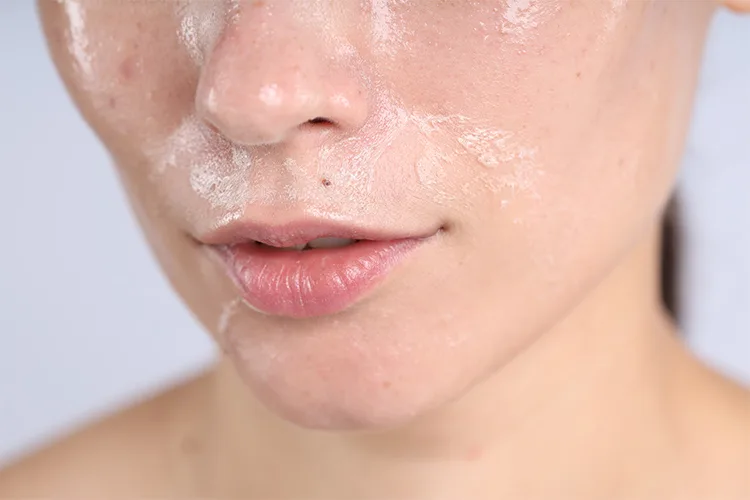
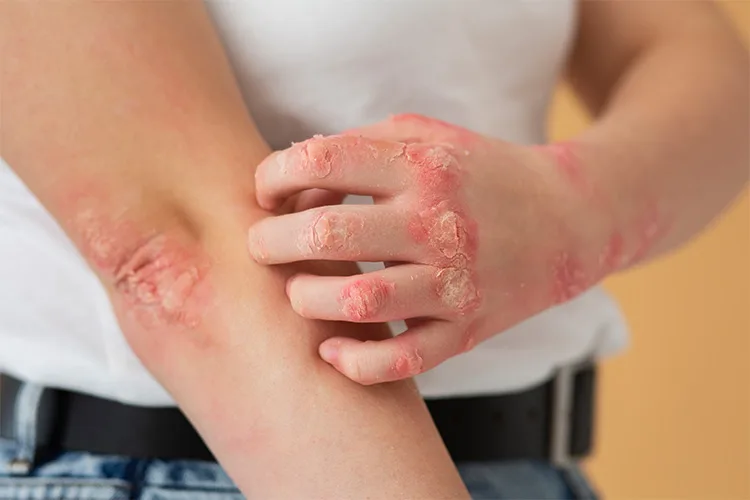
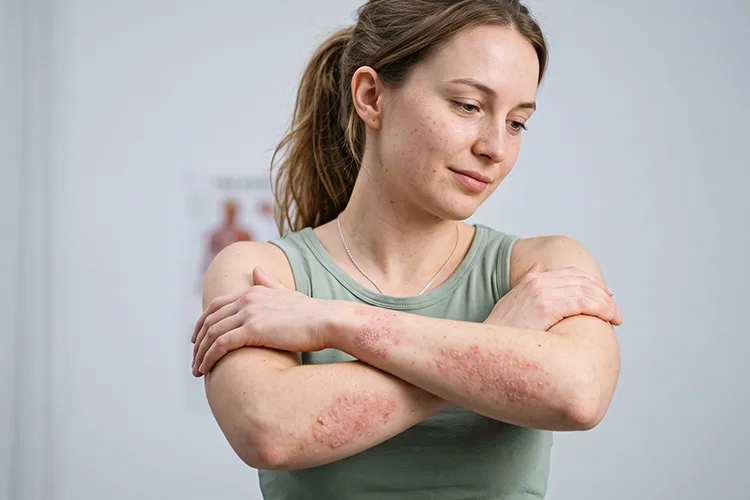
Dryness and Peeling – Skin dryness, pinpoint crusting and flaking can be experienced during the healing period.
Pinpoint Bleeding and Bruising – As a result of microneedling, small bleeding or bruises may occur especially in sensitive skin areas.
The severity of all these symptoms and how long they will last may vary according to the intensity of the treatment, the application area and the person's skin structure.
What Are the More Serious Risks of Morpheus 8?
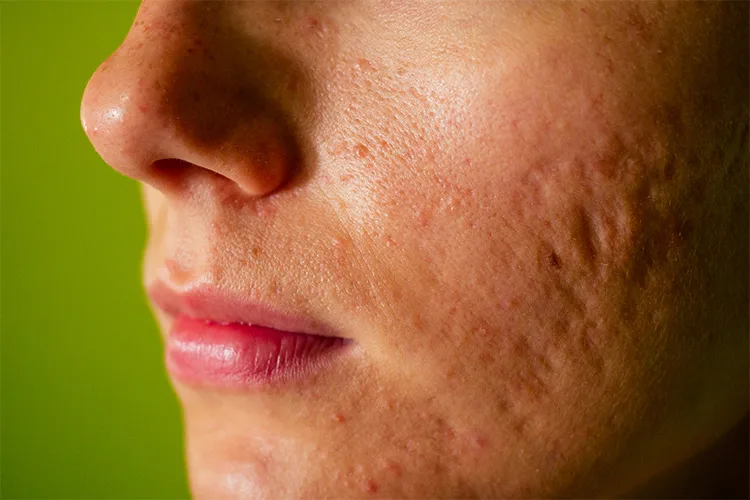
More serious complications in Morpheus 8 are seen much less frequently and rarely. However, possible serious complications include burns, infection, colour and pigment changes, blister formations or permanent scars.
In particular, undesirable effects can occur in the fat tissue in the lower layers of the skin. As a result, volume losses or depressions may be seen in the area where the procedure is applied. Nerve damage is also among the serious complication risks reported by the FDA. Such complications are rarely seen. However, they are still possibilities that need to be evaluated by the patient and physician before treatment.
What Factors Increase the Risk of Side Effects and Complications?
The safety of Morpheus 8 application is not only related to the characteristics of the device used. The person's skin structure and medical history should be comprehensively evaluated before the procedure. The correct setting of device settings, tip, application parameters and needle depth is important against risks. If we list the factors that can affect the risk of complications:
- Preferring needle depth and energy levels that are not suitable for the skin structure and application area
- The treatment being performed by people who do not have sufficient training, expertise and experience
- The presence of an active infection on the skin
- The presence of non-healing lesions in the areas where the procedure will be applied
- The patient not following the care rules recommended by the doctor before the treatment
- The person's skin characteristics and health status not being sufficiently evaluated by the physician
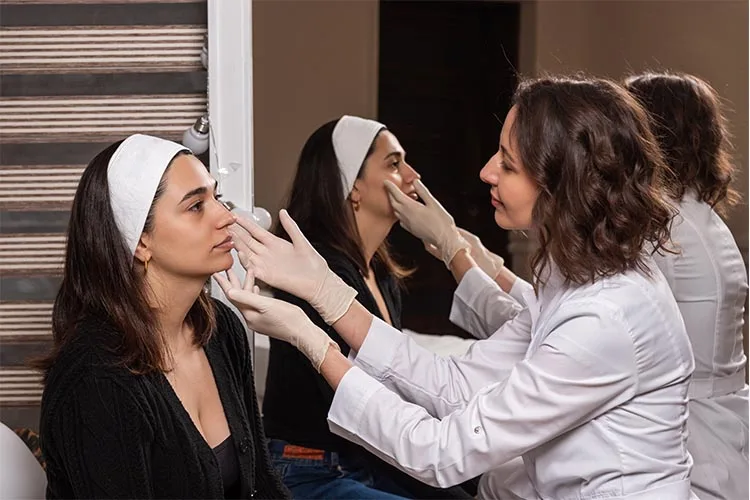
For this reason, a comprehensive physician evaluation should be made before the treatment and the treatment should be performed under appropriate medical conditions.
In Which Cases Should You Consult a Doctor After Morpheus 8 Skin Renewal Treatment?
The possible side effects after Morpheus 8 application are mild redness, skin sensitivity and mild swelling. However, if severe pain is seen and this pain continues increasingly, if there is a burn appearance or blistering, if discharge, fever and unexpected tissue differences are observed, you should consult your physician without delay.