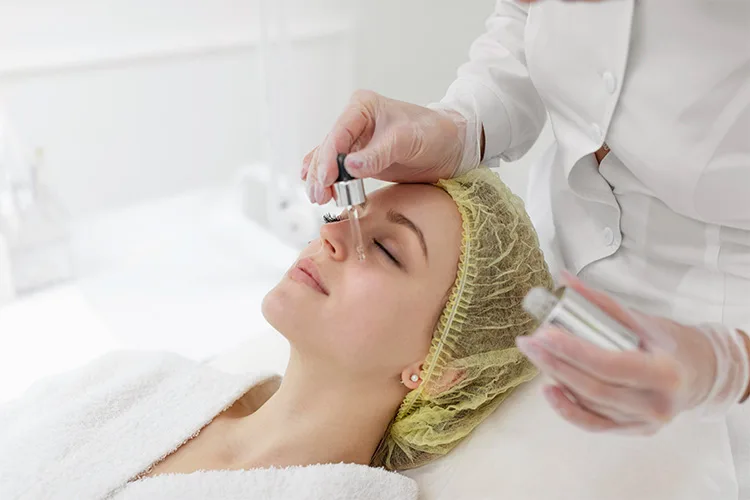
Yes, rarely, volume loss in subcutaneous fat tissues can occur following Morpheus 8 and similar applications. This is a rare condition. To avoid such complications, the procedure must be performed under clinical conditions by a specialist physician using correct parameters. The Morpheus 8 procedure is a frequently preferred non-surgical aesthetic treatment aimed at tightening and rejuvenating the skin. While supporting the skin's collagen production, it can also affect the fat tissue beneath the skin. Therefore, one of the most curious topics is whether unwanted fat tissue loss will occur after Morpheus 8. Medical Aesthetics Specialist Doctor Lida Çiteli, who serves her patients in Istanbul, explained for you whether unwanted fat loss occurs after Morpheus 8 and how it can be prevented.
Generate a short summary based only on the information on this page using your preferred AI tool.
This summary is generated by AI and does not replace medical advice. Consult your physician for definitive information.
How Does Morpheus 8 Skin Rejuvenation Treatment Affect Fat Tissue?
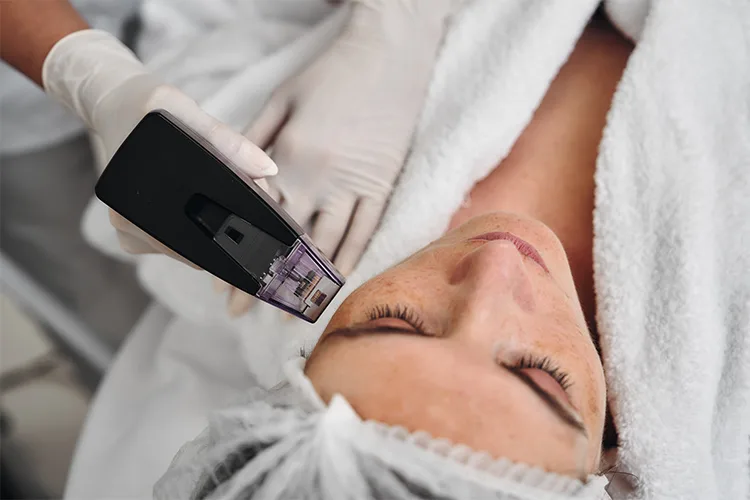
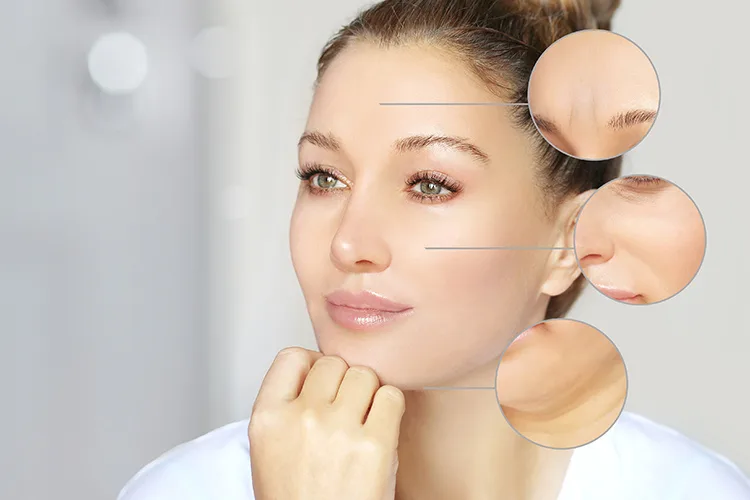
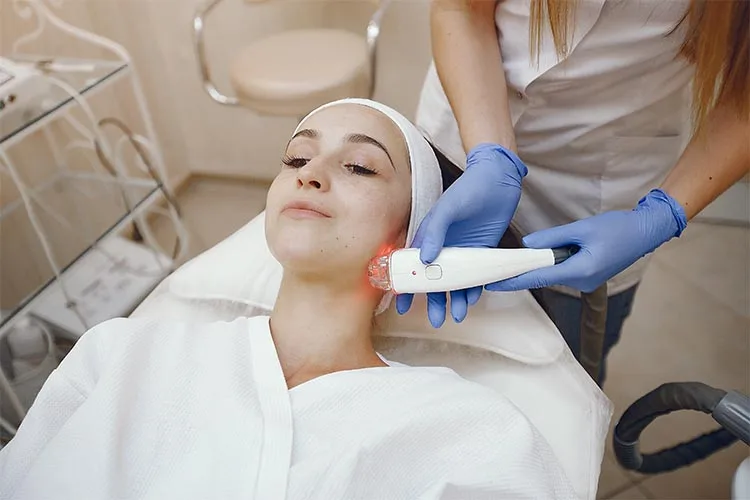
Morpheus 8 skin rejuvenation treatment delivers radiofrequency energy to the deep layers of the skin. In this way, the controlled heat effect generated activates the skin's collagen production and tissue renewal processes. However, the effects of radiofrequency energy are not limited solely to the surface tissue of the skin. Depending on application depth and energy level, it can also affect the fat tissue beneath the skin. Sometimes, fat tissue is intentionally targeted to tighten the skin. However, unwanted fat loss that may occur in areas where volume should be preserved, such as the cheeks and around the eyes, can produce aesthetically undesirable outcomes. Therefore, the treatment must be applied with accurate planning and correct parameters.
Is Facial Sunkenness Observed After the Morpheus 8 Procedure?
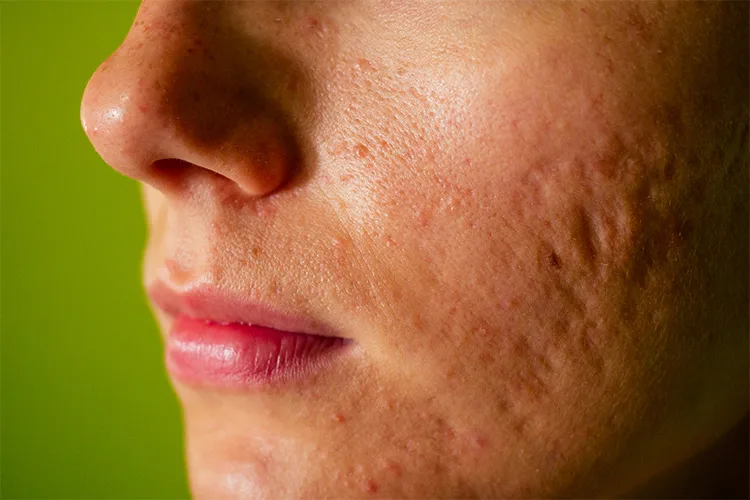
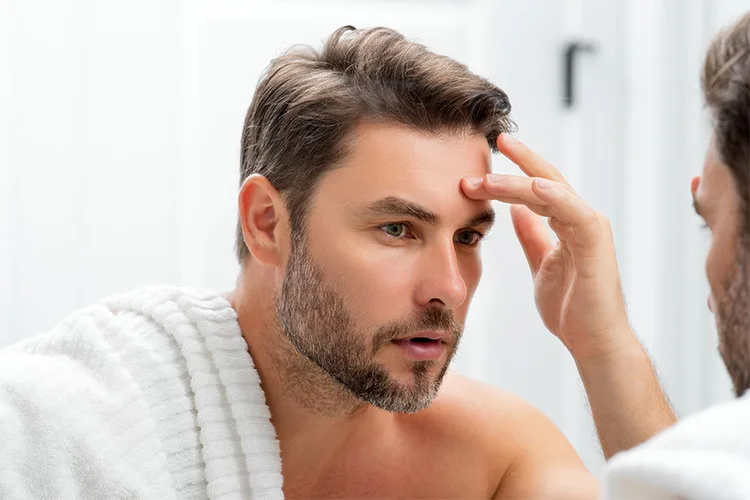
Yes, if applied by non-experts and with incorrect parameters, unwanted reductions in subcutaneous fat tissues can be experienced, and a sunken appearance due to volume loss may form in certain areas of the face. Especially following volume losses experienced in areas such as the cheeks, temples, or eye contours, the face may appear more tired and aged. However, not every facial thinning stems from the Morpheus 8 procedure. An individual's weight fluctuations, the aging process, or their facial anatomy can also lead to volume disparities. If you observe a distinct difference in your facial volume following treatment, you can consult your physician to get insight regarding its cause and solution.
What Are the Factors That Increase the Risk of Fat Loss?
If we need to explain the factors that can increase the risk of unwanted fat tissue loss one by one:
Application Depth – The depth reached by the needles and the specific tissue layers to which energy is delivered directly affect the risk of fat loss.
Energy Level – If inappropriate and higher-than-necessary energy levels are used, the thermal damage created by the treatment can increase the risk of fat loss.
Repetitive Applications – If intensive and repetitive energy applications on the same region are involved, the thermal load on the tissue may increase.
Facial Anatomy – The distribution of fat tissue and skin thickness vary in every person. They are affected by the treatment at different levels accordingly.
How Can the Risk of Fat Loss Be Reduced When Having a Morpheus 8 Application?
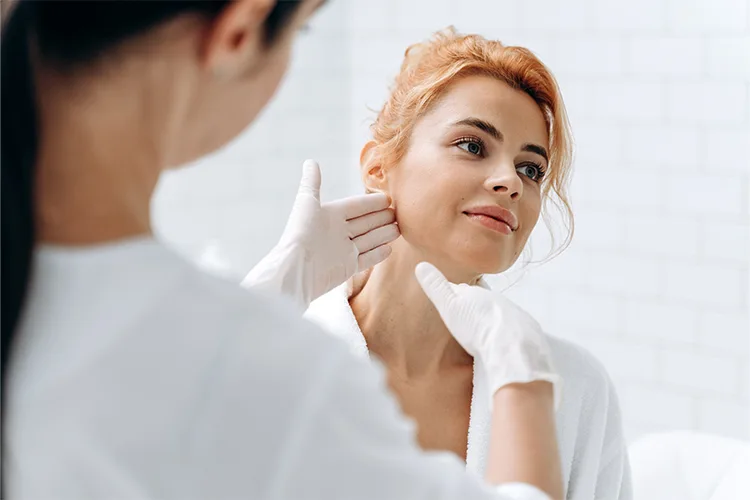
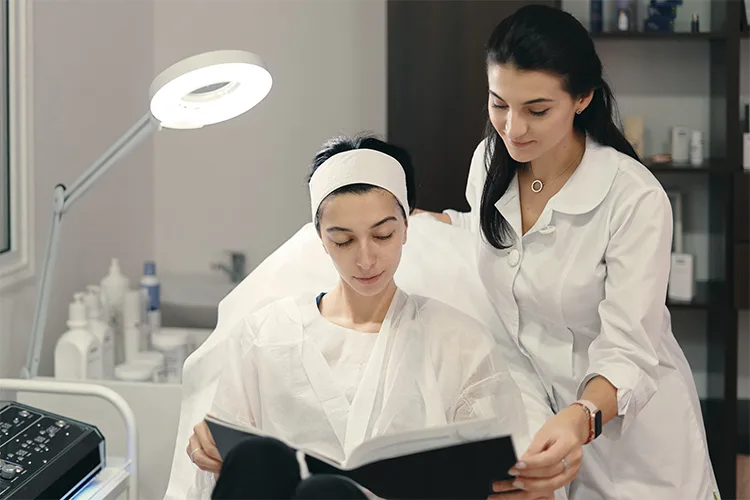
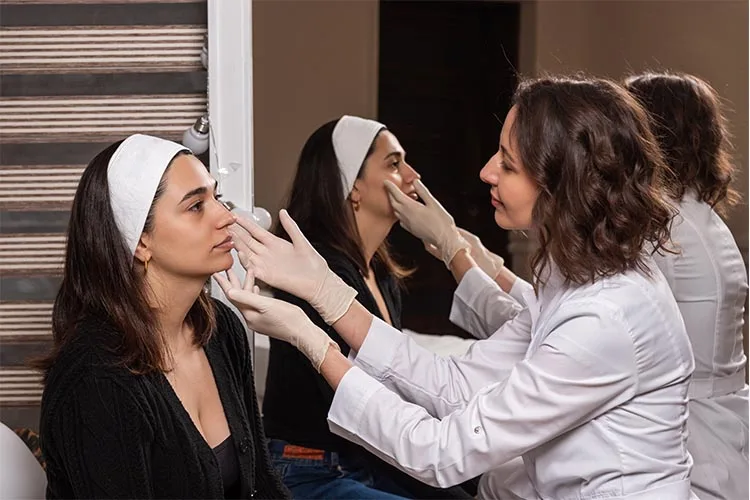
To reduce the risk of fat loss, the individual's facial anatomy and skin structure must be thoroughly evaluated by a specialist physician prior to the procedure. In this manner, application depth, energy level, and treatment area can be personalized. Especially for individuals experiencing natural facial volume loss or desiring to preserve fat tissue in the cheek and temple areas, sharing these expectations with their physician prior to treatment carries great importance.