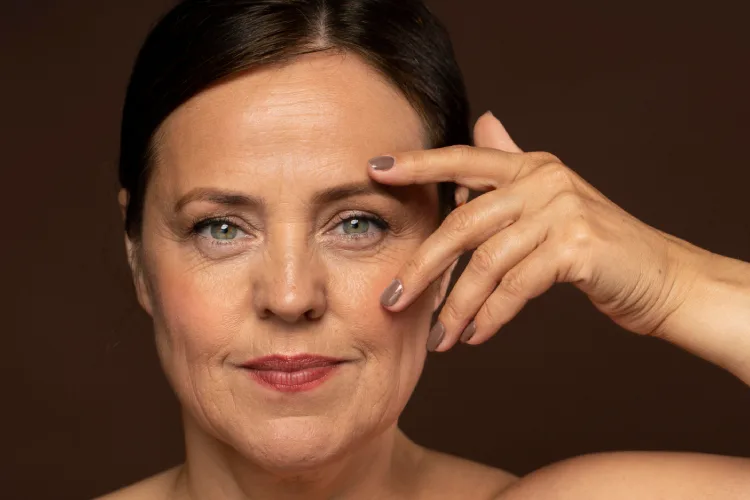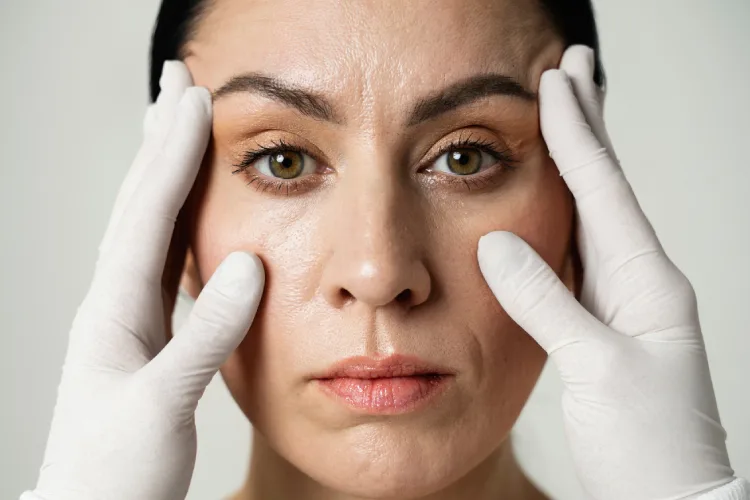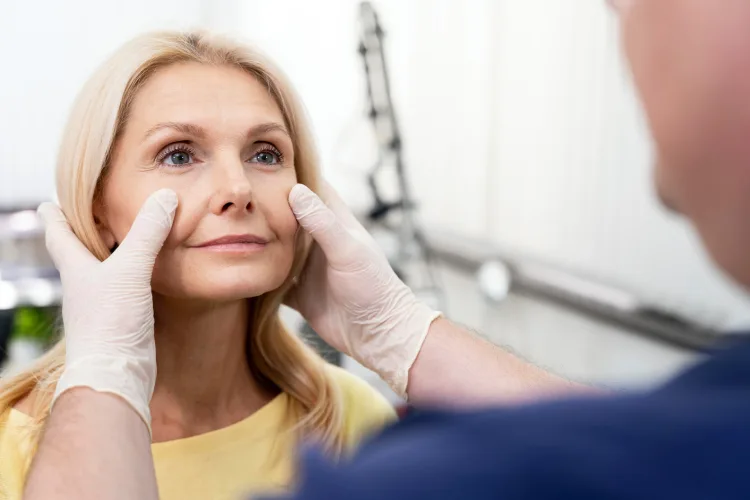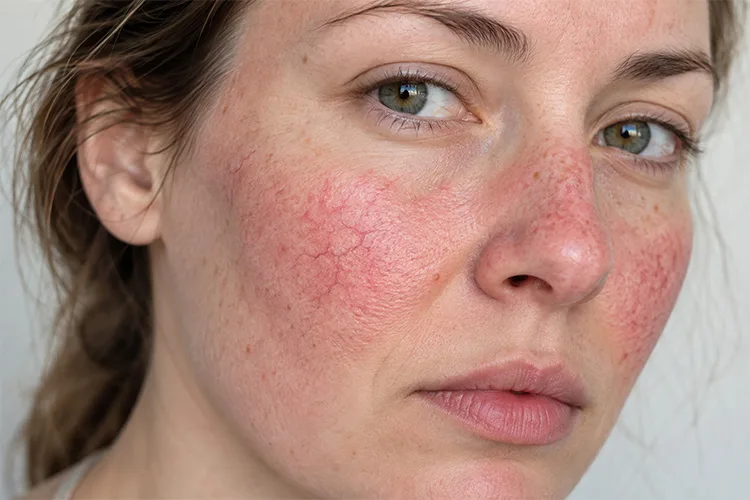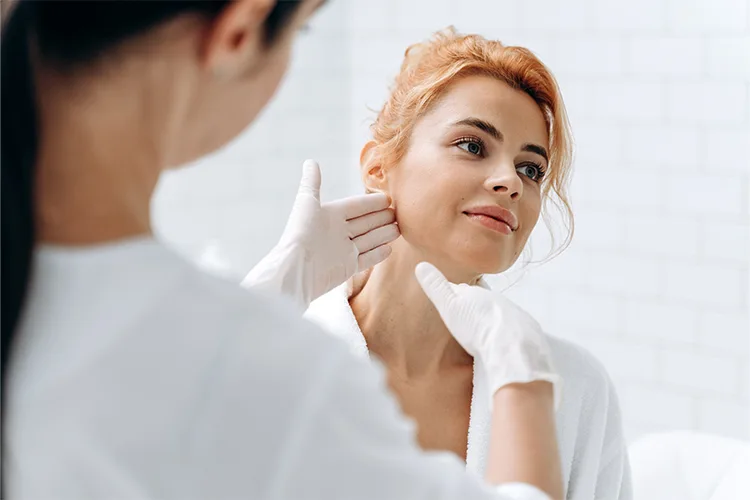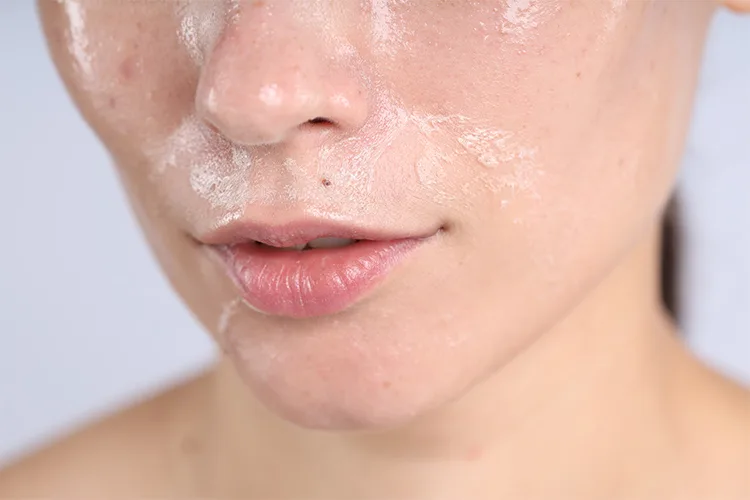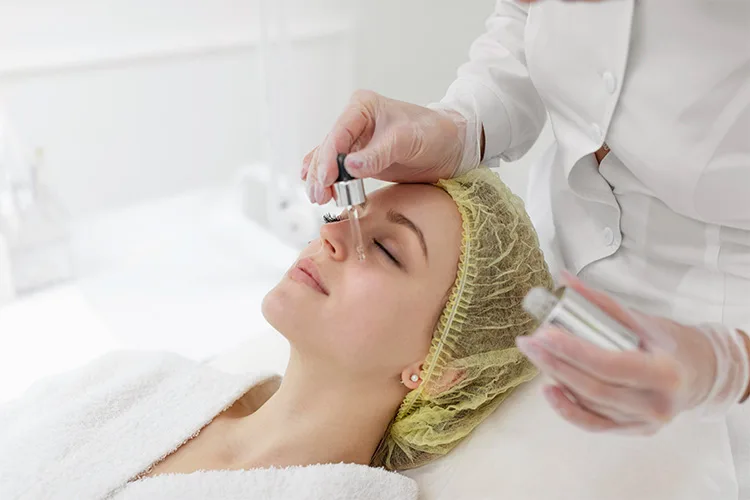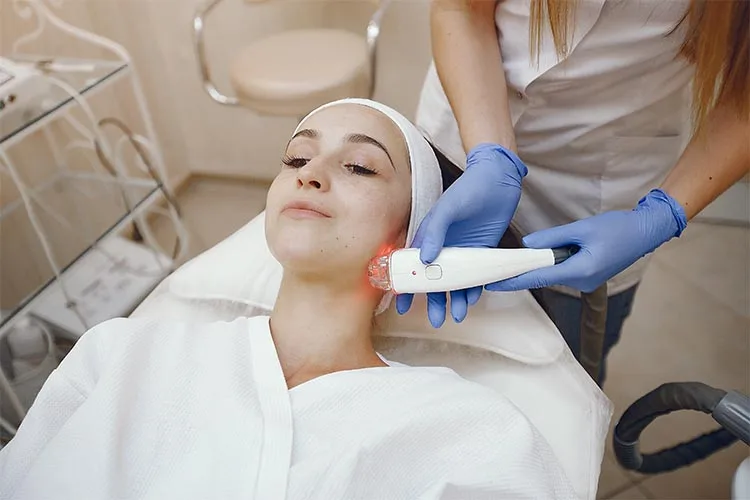
Morpheus 8 skin rejuvenation treatment aims to trigger collagen production to achieve skin tightening. Supporting the skin structure and providing a firmer skin appearance are among the primary goals of the application. However, improper determination of needle depth, incorrect setting of energy levels, and treatment protocols unsuitable for the individual can cause certain unwanted tissue changes. In many respects, an actual thinning of the skin and a reduction in the subcutaneous fat tissue are not the same thing. Medical Aesthetics Specialist Doctor Lida Çiteli, who serves her patients in Istanbul, explained for you whether Morpheus 8 treatment causes skin thinning.
Generate a short summary based only on the information on this page using your preferred AI tool.
This summary is generated by AI and does not replace medical advice. Consult your physician for definitive information.
Does Morpheus 8 Treatment Reduce Skin Thickness?
Yes, a reduction in skin thickness can occur in applications performed at the wrong depth and inappropriate levels. Therefore, Morpheus 8 treatment must be applied in a controlled manner. The target is to trigger renewal processes in the dermis layer of the skin and support collagen and elastin structuring. In applications performed with correct parameters, direct thinning of the skin layer is not expected. However, the thermal effect created by the procedure can affect different layers of tissue. Needle depth and energy levels must be carefully planned.
What Is the Difference Between Skin Thinning and Loss of Fat Tissue?
Concerns regarding skin thinning in Morpheus 8 treatment are often confused with a potential reduction in subcutaneous fat tissue. Skin thinning refers to a decrease in the structural thickness of the skin. A reduction of fat tissue, particularly in the facial region, can cause volume loss in areas such as the temples and cheeks, resulting in a sunken appearance.
Applying Morpheus 8 treatment at the wrong depth and incorrect energy levels can affect subcutaneous fat tissues. Therefore, during treatment, attention must be paid not only to skin tightening but also to preserving the natural volume structure of the face.
In Which Situations Can Morpheus 8 Lead to Unwanted Changes in the Skin?
Treatment plans applied without considering needle depth and the individual's skin and tissue characteristics can lead to unwanted results. To list the factors that can influence the risk of unwanted occurrences:
Application Depth – Positioning the needles at the correct depth into the targeted tissue is of great importance.
Energy Level – The radiofrequency energy delivered to tissues needs to be adjusted according to the individual's needs.
Application Area – The distribution of facial fat tissue and the anatomical characteristics of the face vary from region to region. Therefore, the treatment must be performed by a physician who has a thorough command of facial anatomy.
Practitioner's Experience – The treatment must be carried out by a physician who is well-versed in the device's features and knowledgeable about potential complications and intervention methods.
What Should Be Considered Against Skin Thinning Prior to the Morpheus 8 Procedure?
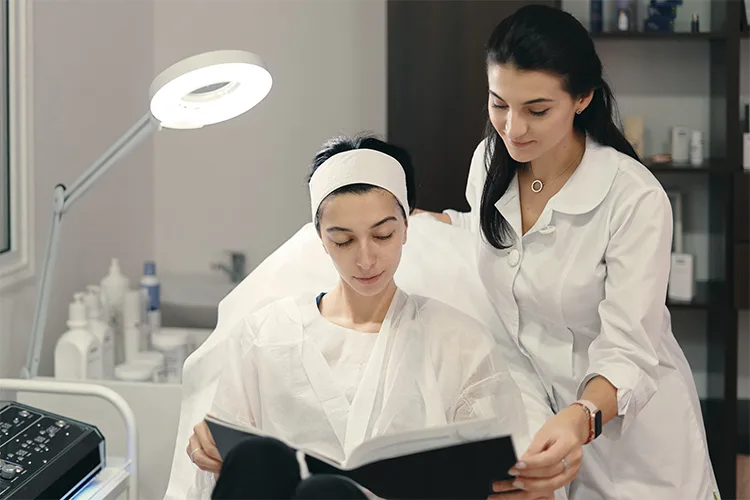
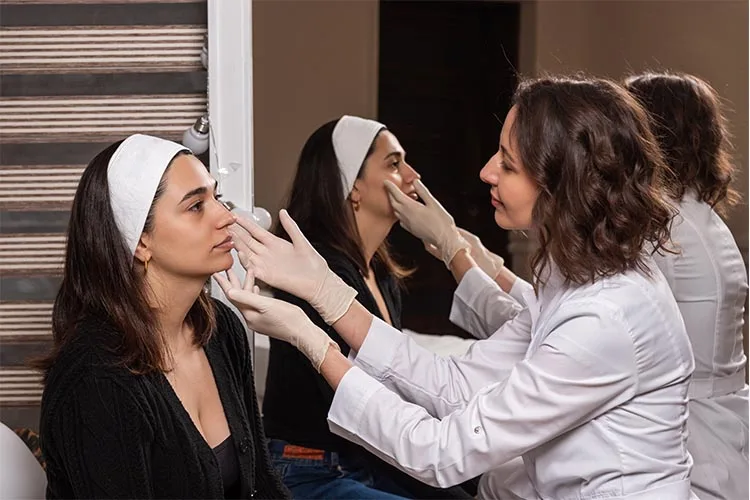
Prior to treatment, skin thickness, existing volume losses, and the distribution of facial fat tissue must be carefully examined. Especially in cases where facial volume loss is present or subcutaneous fat tissue is limited, treatment planning must be executed with even greater care.